Some Screen for school administration.
Entrance
Bal Mandir
(kindergarden)
Primary (5-10)
Primary (1-4)
Higher Secondary
Secondary
School for HIVI
School for Phisiotherapy
Playground
Sanket
2024
Time | 5 Weeks
Project Overview
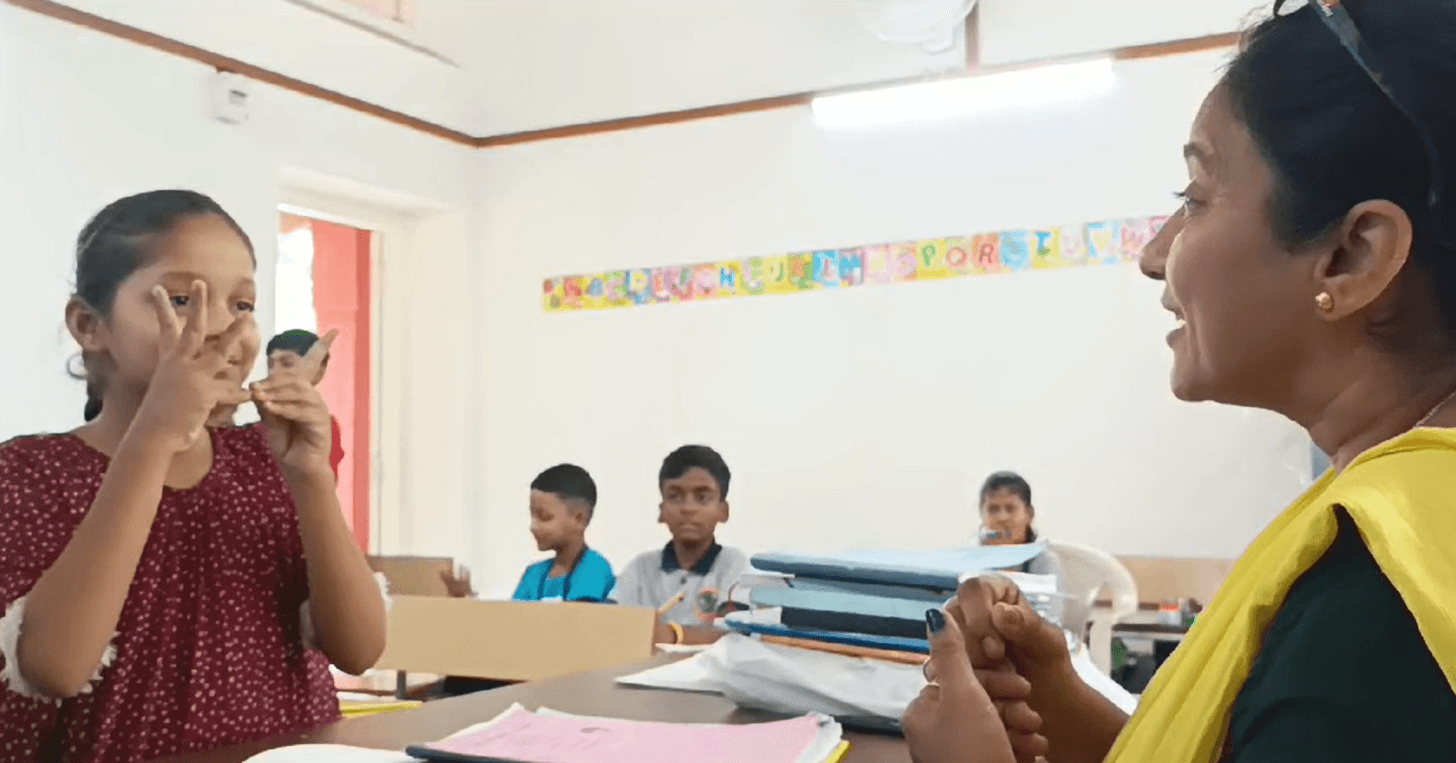
Sanket is a system design project based on studying a school for deaf and mute students to understand their ways of learning and communication. Through interactions with teachers, students, and parents, we identified gaps in the system and collaboratively designed solutions to make their learning experience more inclusive and seamless.
Site visit
Topic Selection
Secondary Research
Comperative Study
Problem Satetment
Ideation
Final output
Gap Analysis
Process
Guided By
Dr. Anil Sinha
Prof. Saurav Vyas
Site Visit
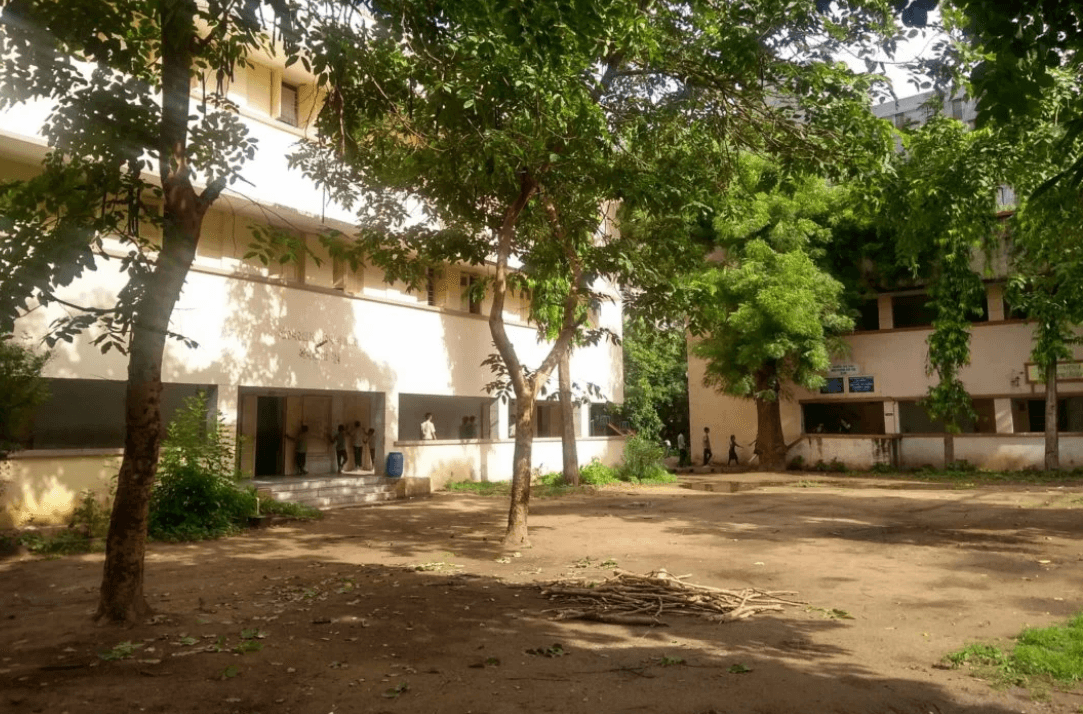
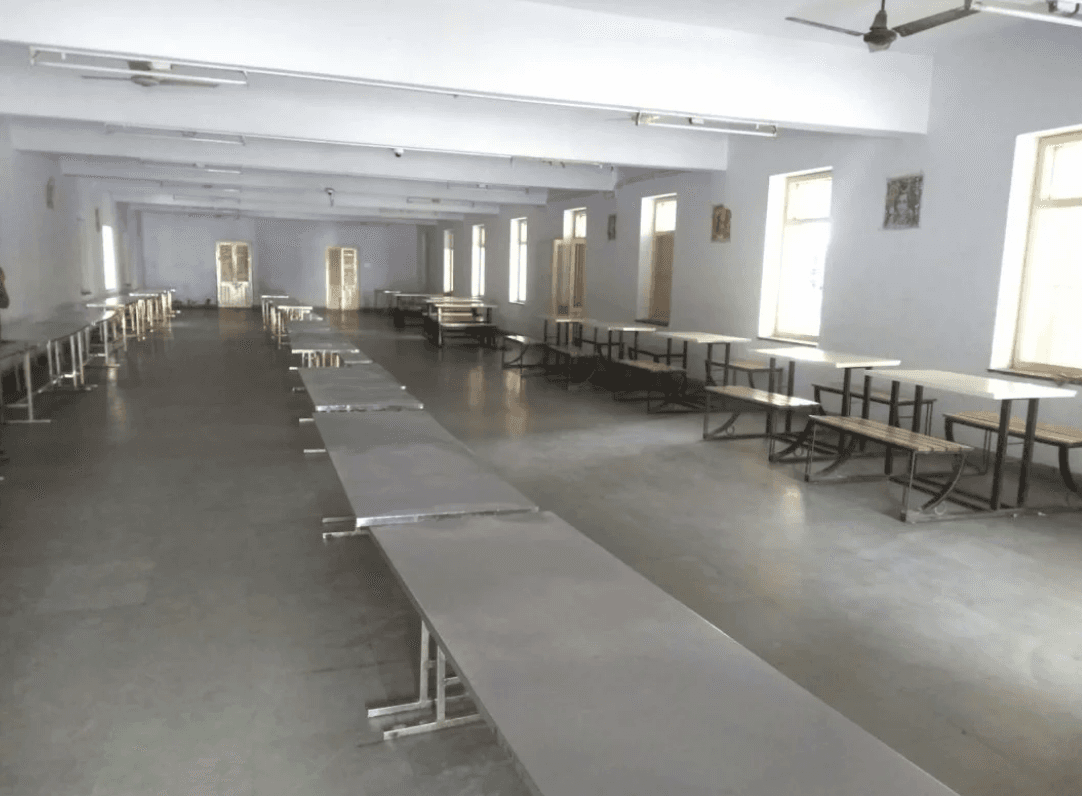
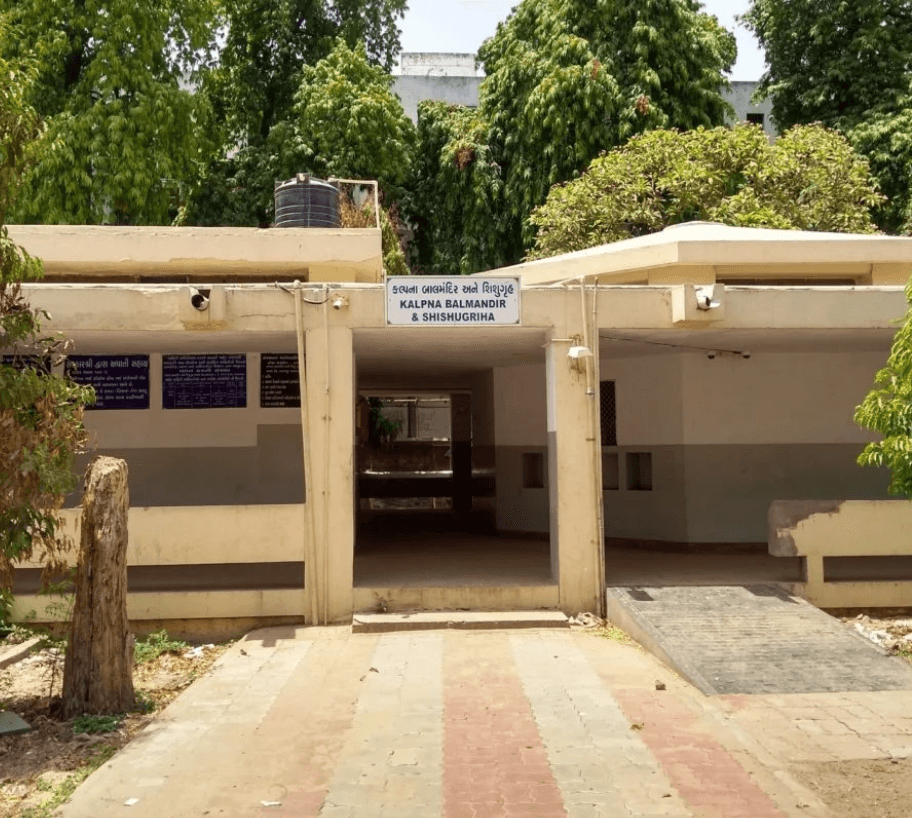
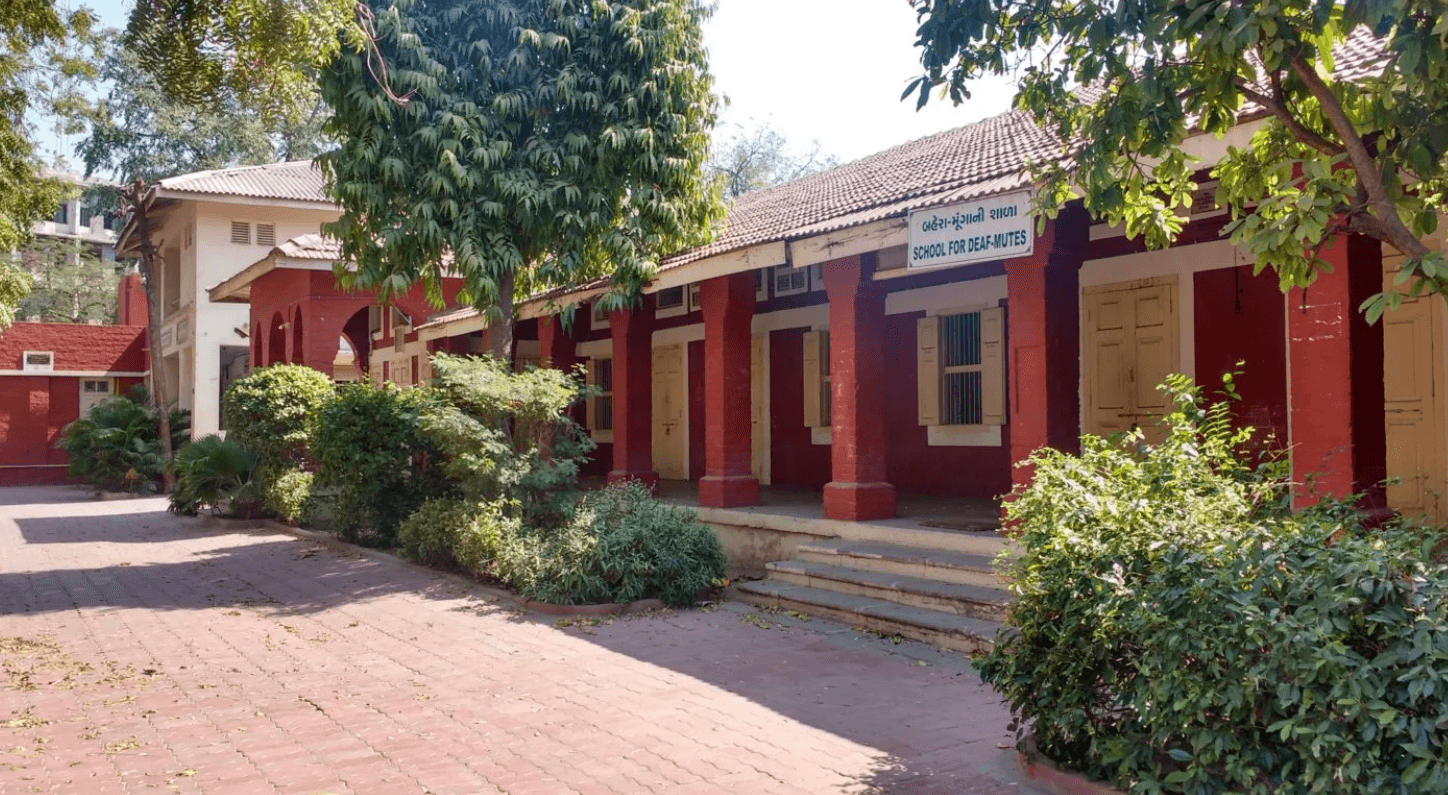
Site Map
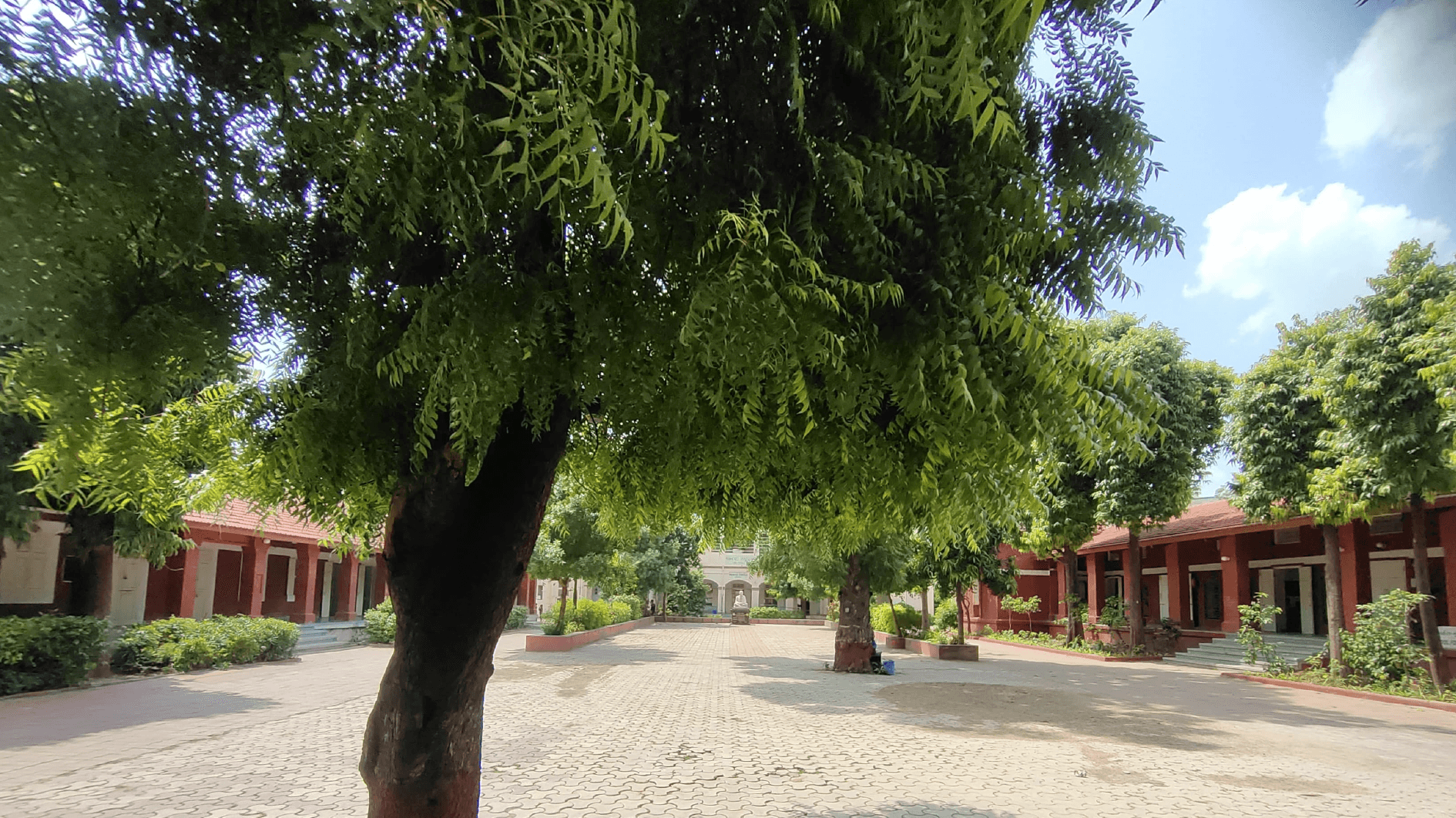
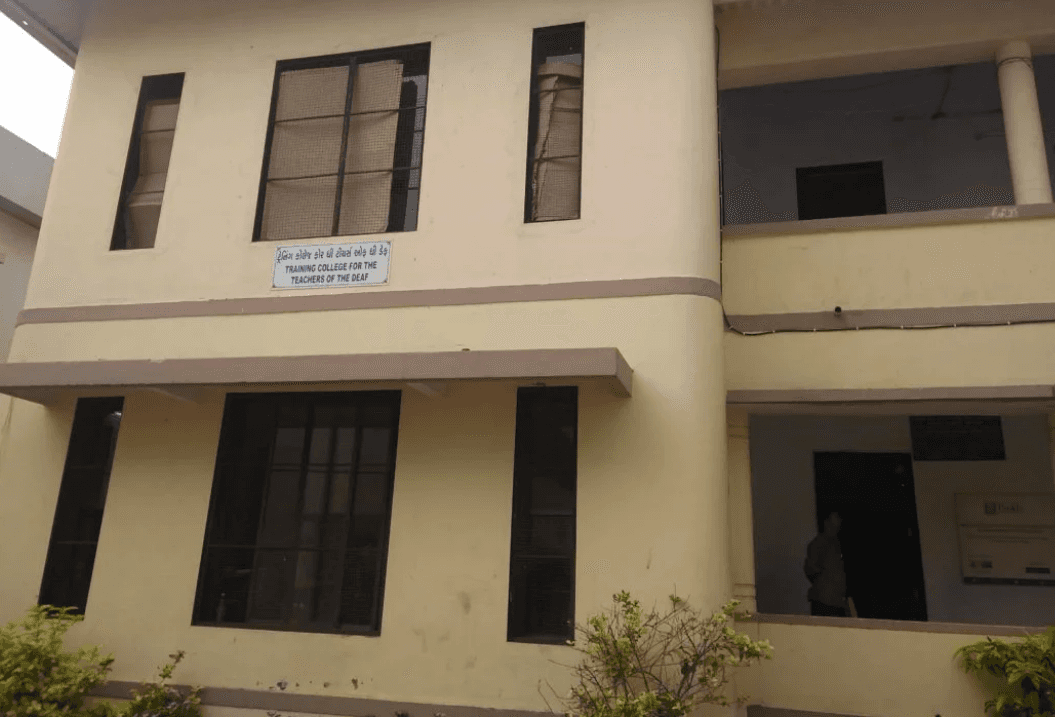
We explored different areas of the deaf and mute school, which also includes sections for blind students and a hostel for both blind and deaf-mute students. There is also a higher studies section where students, after completing their bachelor’s degree, can train to become teachers for the hearing and visually impaired. However, we focused only on the deaf and mute school and schhol for HIVI. for this project and planned to explore the blind school later, as it operates under a completely different system.
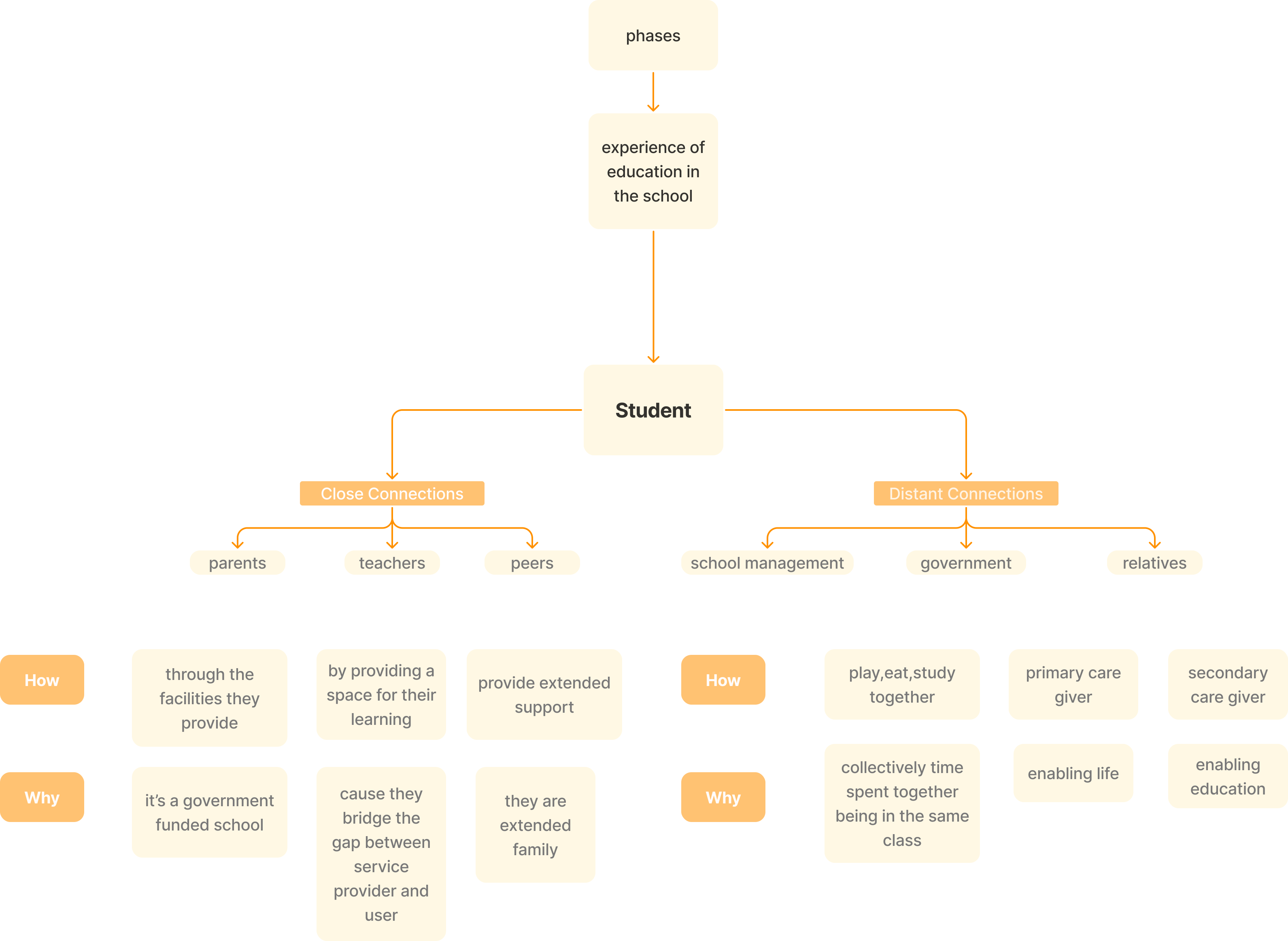
User Insight map
To better understand the system, we first needed to study the key users, the students. We explored how parents are involved in their lives and how they are cared for. To build a more inclusive communication system, we created user insights to gain a clearer understanding of their needs and experiences.
Empathy Mapping
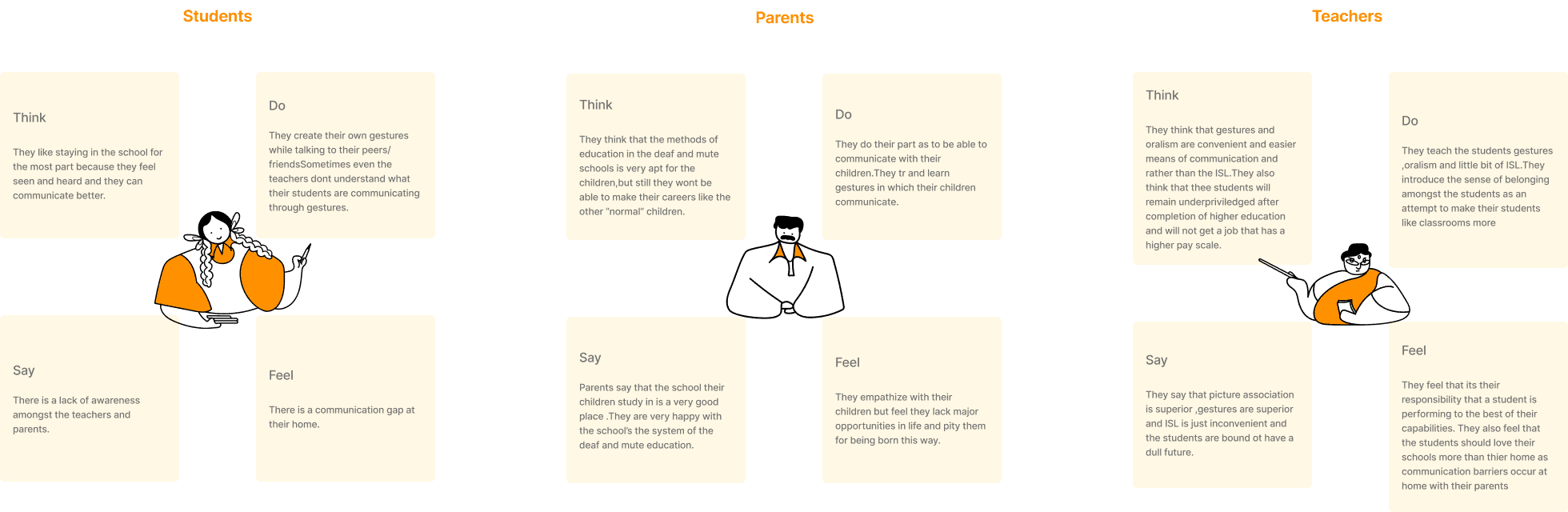
After mapping the ecosystem, we identified the main pain points:
Most people use oralism instead of Indian Sign Language (ISL) to communicate. While oralism works within their community and families, it becomes a barrier when students move outside their state for higher studies. Hence, learning ISL is essential for their future communication and opportunities.
When food donations arrive, they are often not properly checked, which can harm the children’s health. Since they live in a hostel away from their parents, this lack of monitoring poses serious health risks.
Research Insights

Ecosystem map
Pain Points
After visiting the school and talking to parents, students, and teachers, we tried to understand how the entire system works. This ecosystem helped us identify the pain points and bring them together in one place.
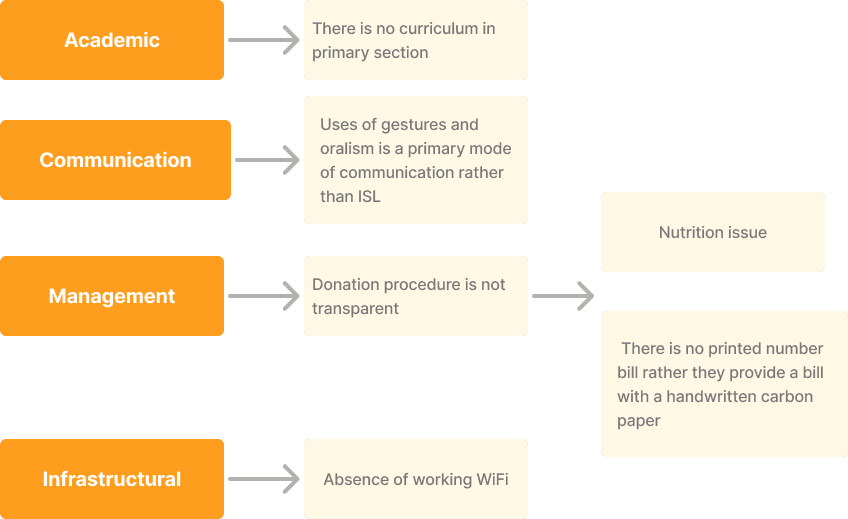
Gap Analysis
After identifying the pain points, we created a gap analysis map to understand where the gaps exist, what categories they fall into, why they are occurring, and what the main issues are.
Proposed Solution
Solution 1
I created an infographic poster for students that visually explains meal satisfaction levels based on hunger patterns. It includes a nutrient chart showing the essential nutrients in their meals and why they are important for their health.
This poster will help students see why daily meals matter and what nutrients they actually need to stay healthy in daily life. It’ll be put up in the community dining hall for everyone to check out.
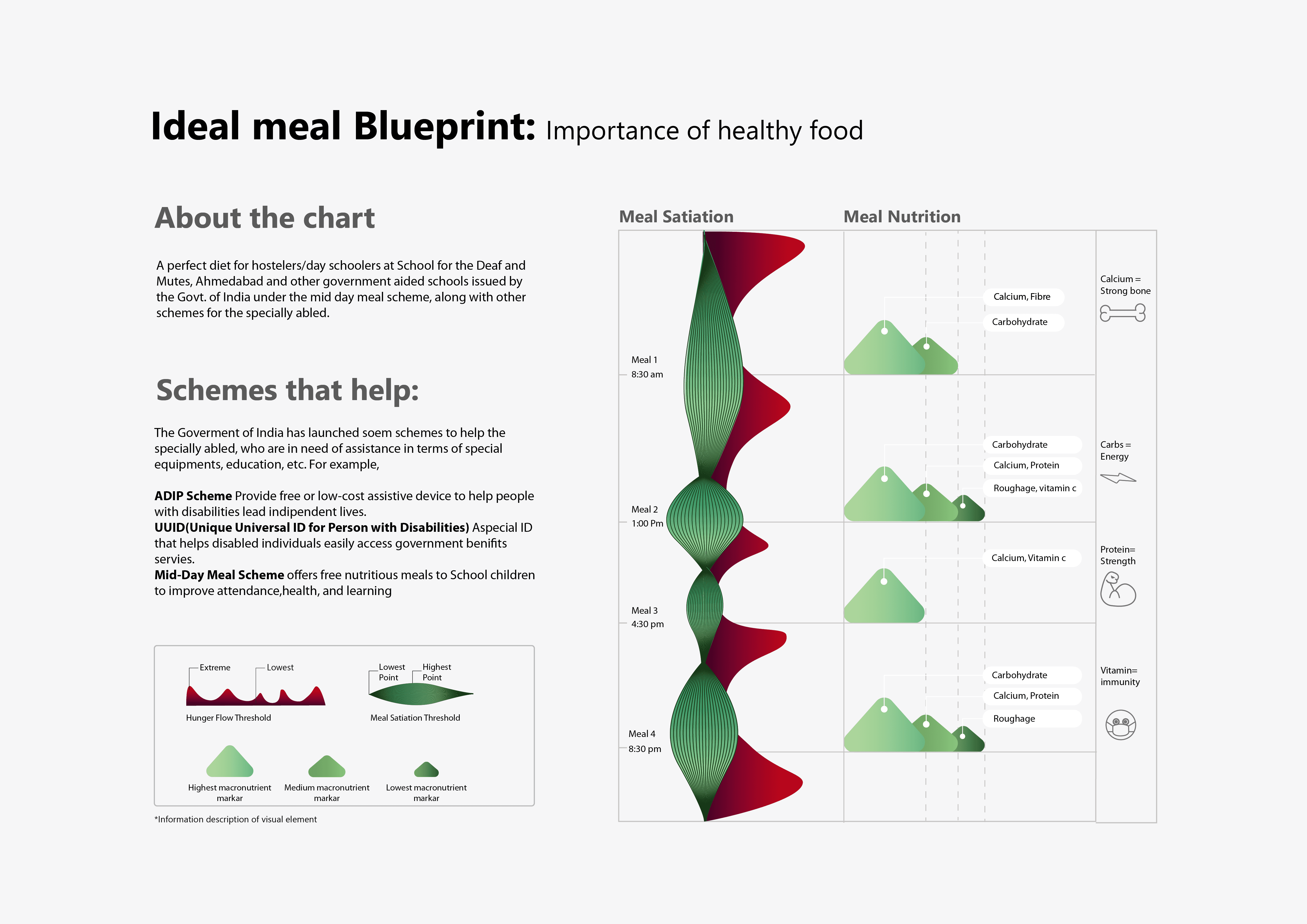
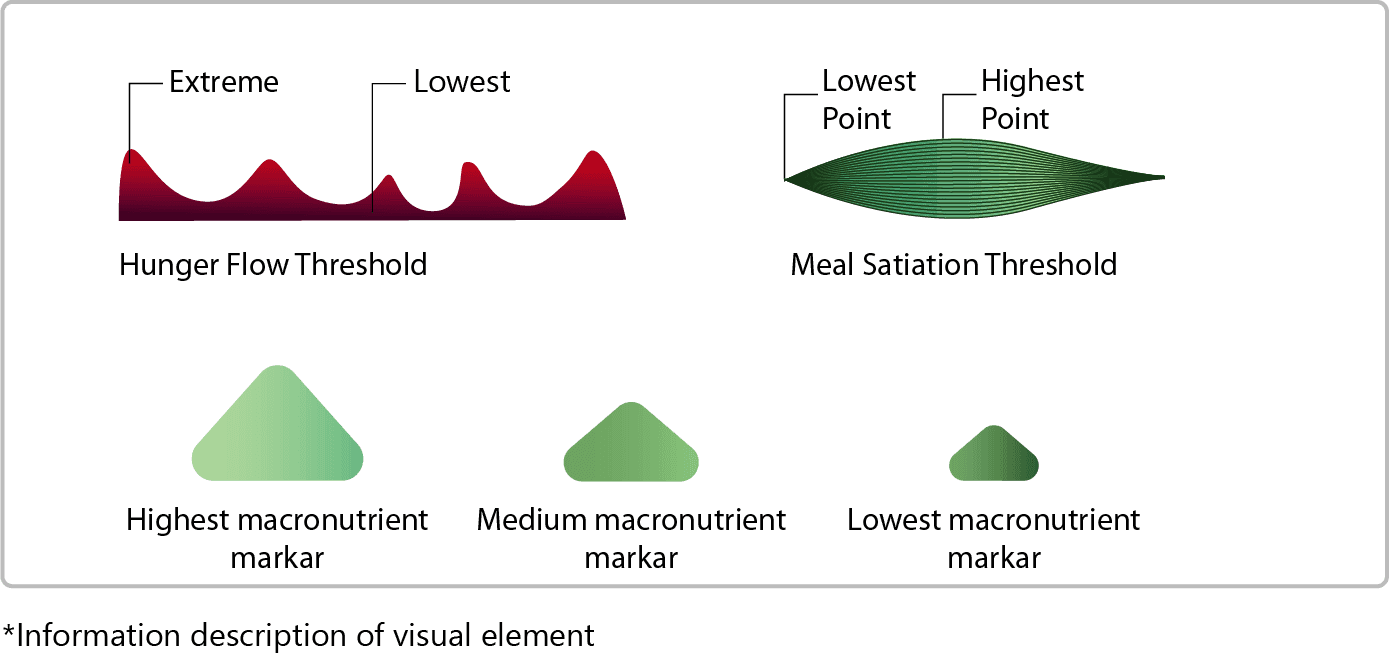
Elements of the poster
Solution 2
We noticed a big communication gap between teachers, parents, and students especially for hostel students. Parents often had no idea about food donations happening at school, and if the food quality wasn’t great, they remained completely unaware.
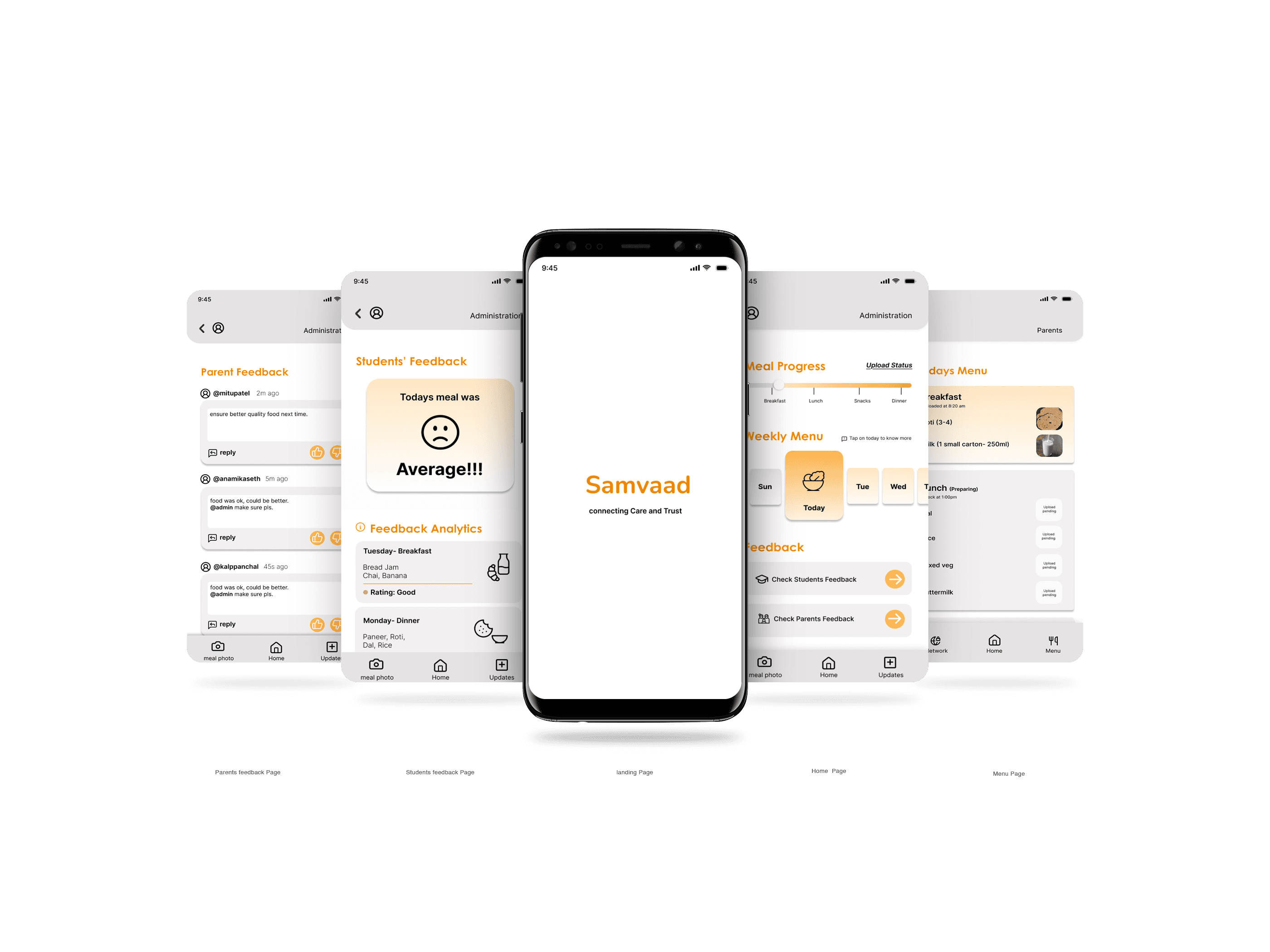
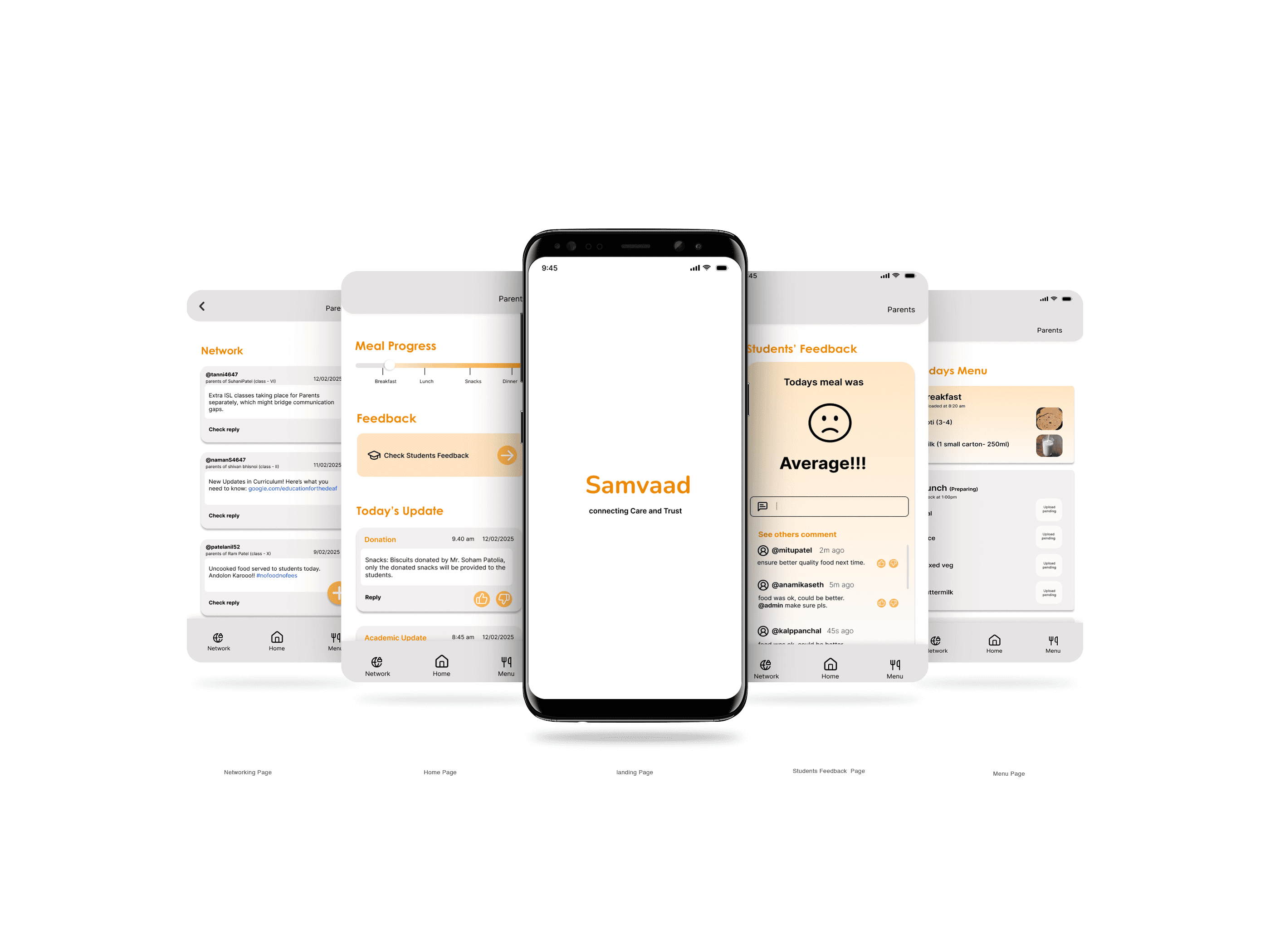
To solve this, my teammate and I designed a system that lets students review their meals through a kiosk. The average rating is then sent as a notification to both parents and the administration through an app called Samvaad.
To keep things transparent, the administration is also required to upload pictures of the meals on time and if they don’t, parents get a notification. This way, parents always know what their kids are eating. There’s also a section where the administration can update parents about food donations. If any issues come up, parents get notified immediately, so they can take action if needed.
User Journey
How the system will work through the app and kiosk
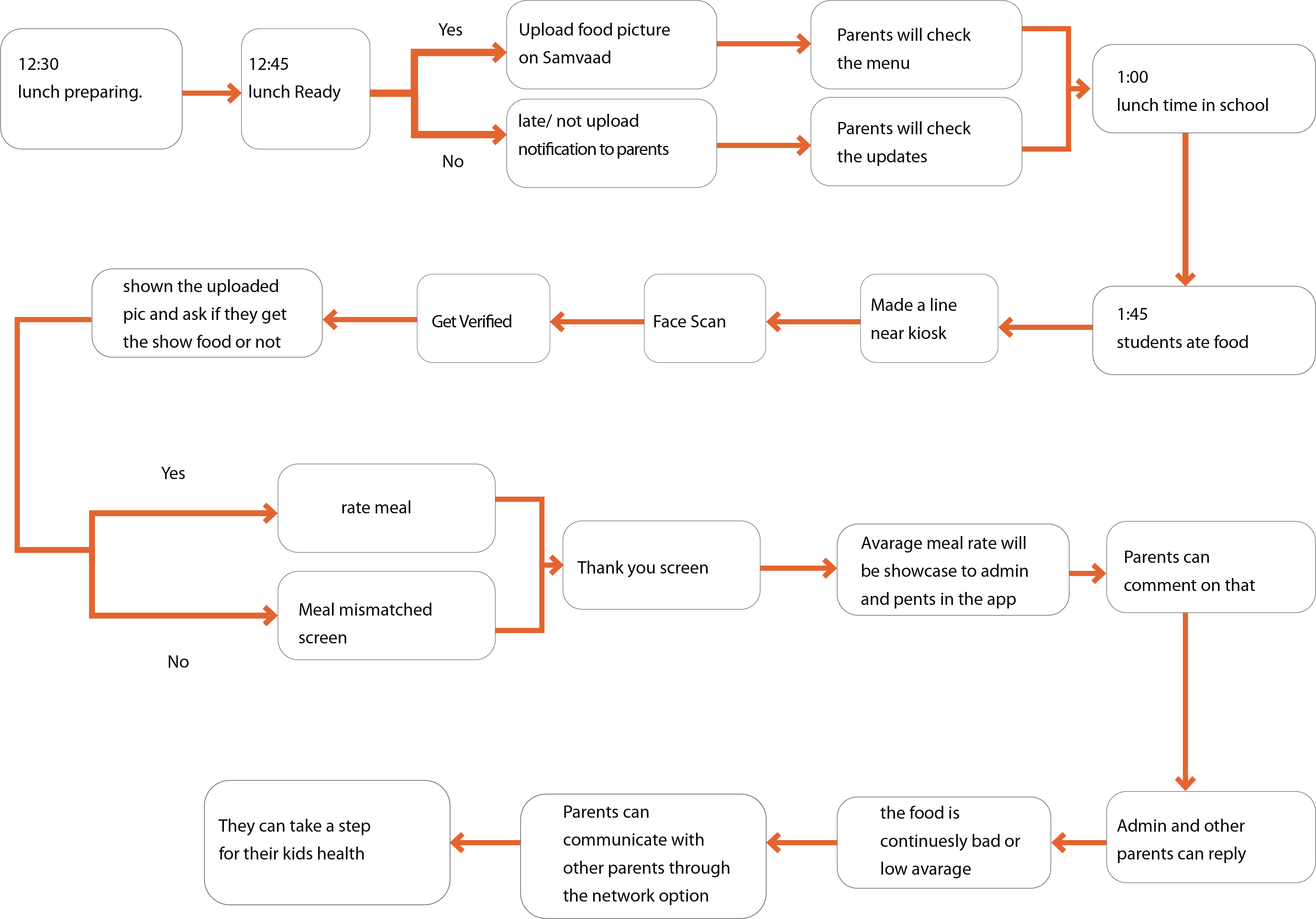
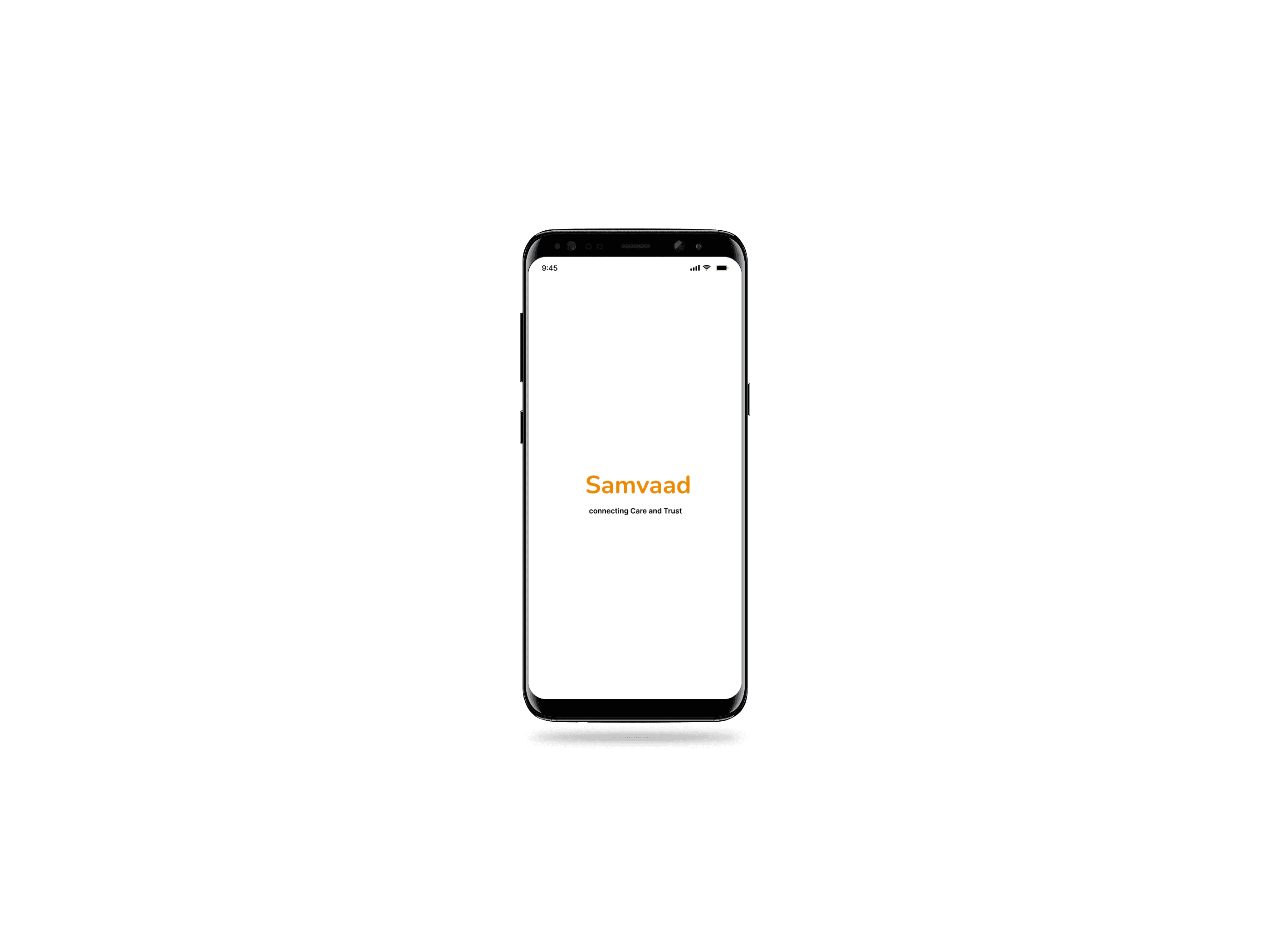
So, Introducing Samvaad…
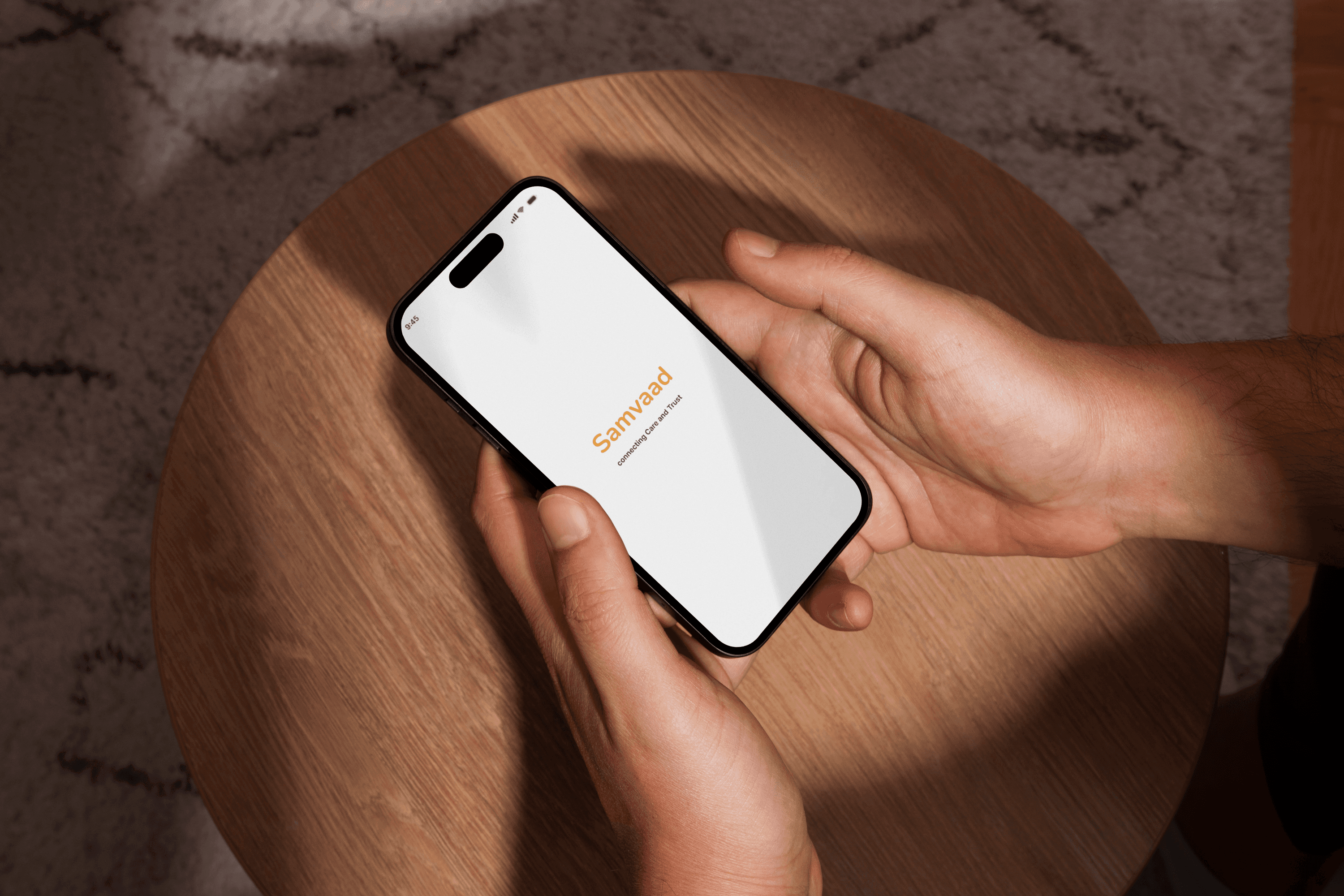
An application for schools and parents to ensure better communication and transparency and the name samvaad means conversation. This application is for two users one for school and other for parents.
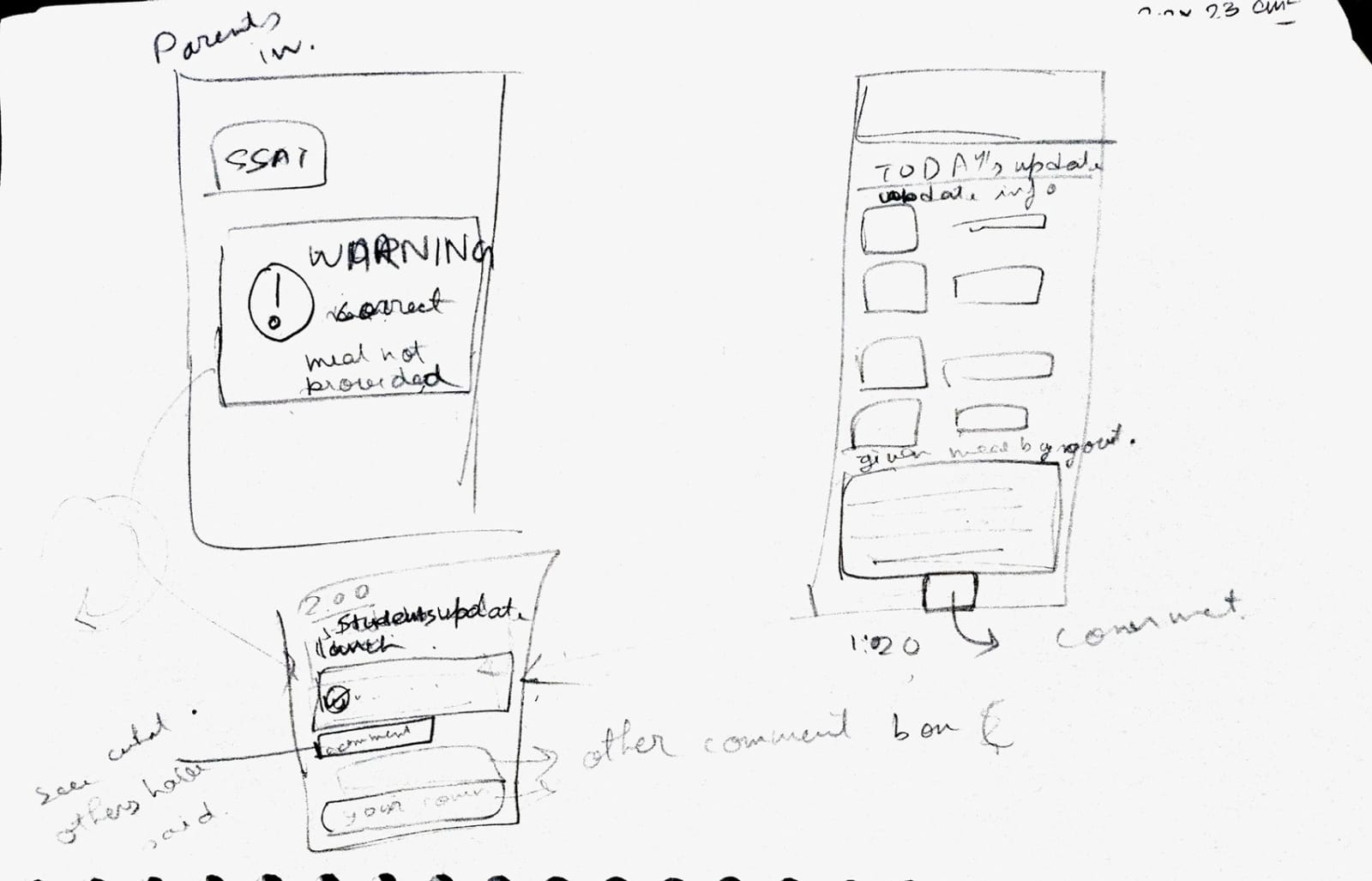

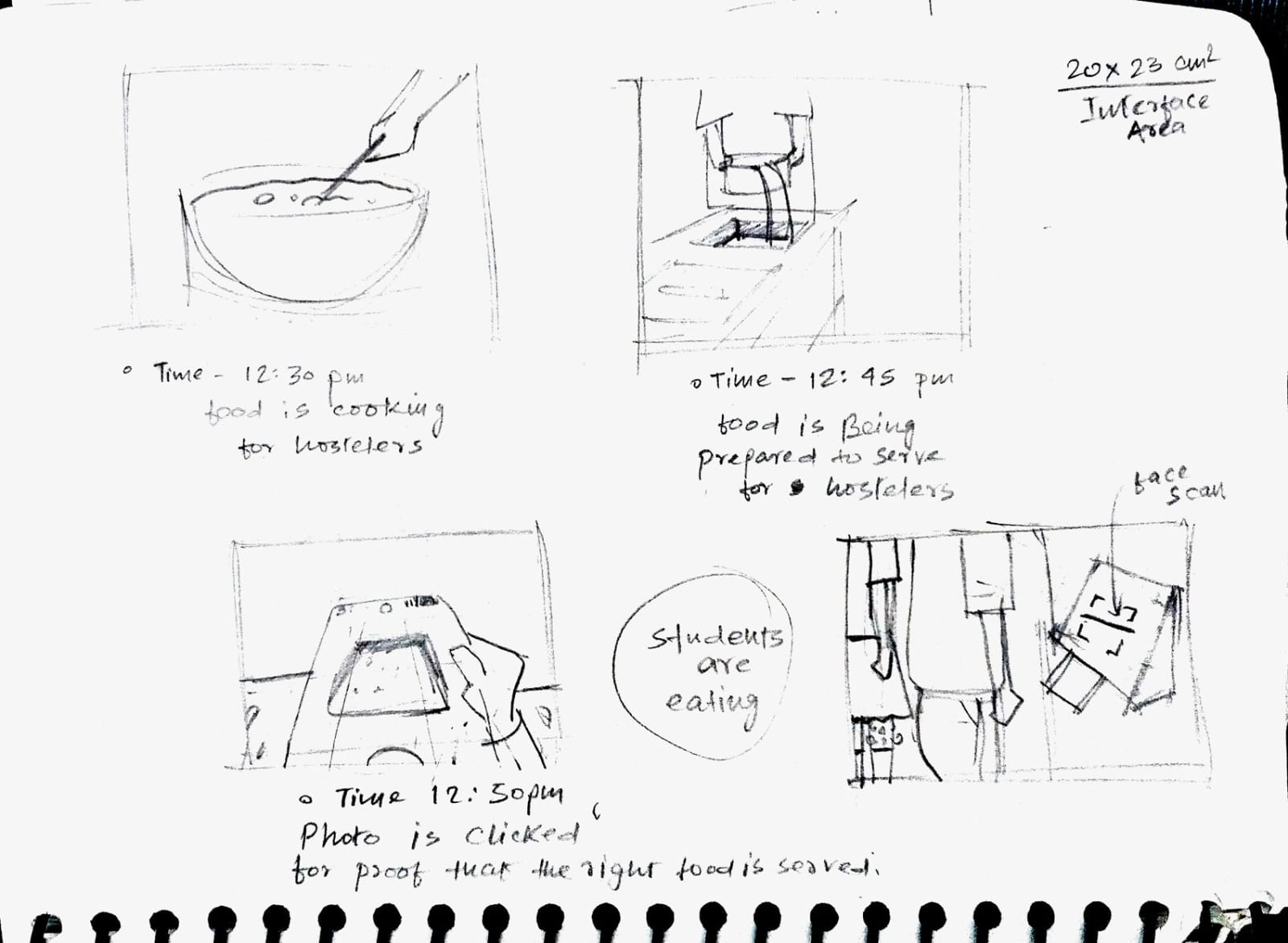

Wireframing Ideation
Colour Palette
#FCF9D8
#ffb753
#f3dbb7
Typography
Aa
Century Gothic
25 pt. Display font
Designed by Sol Hess and published by Monotype in 1991.
Aa
Inter
14 pt. Body text
Designed by Figma designer Rasmus Andersson
Language Development
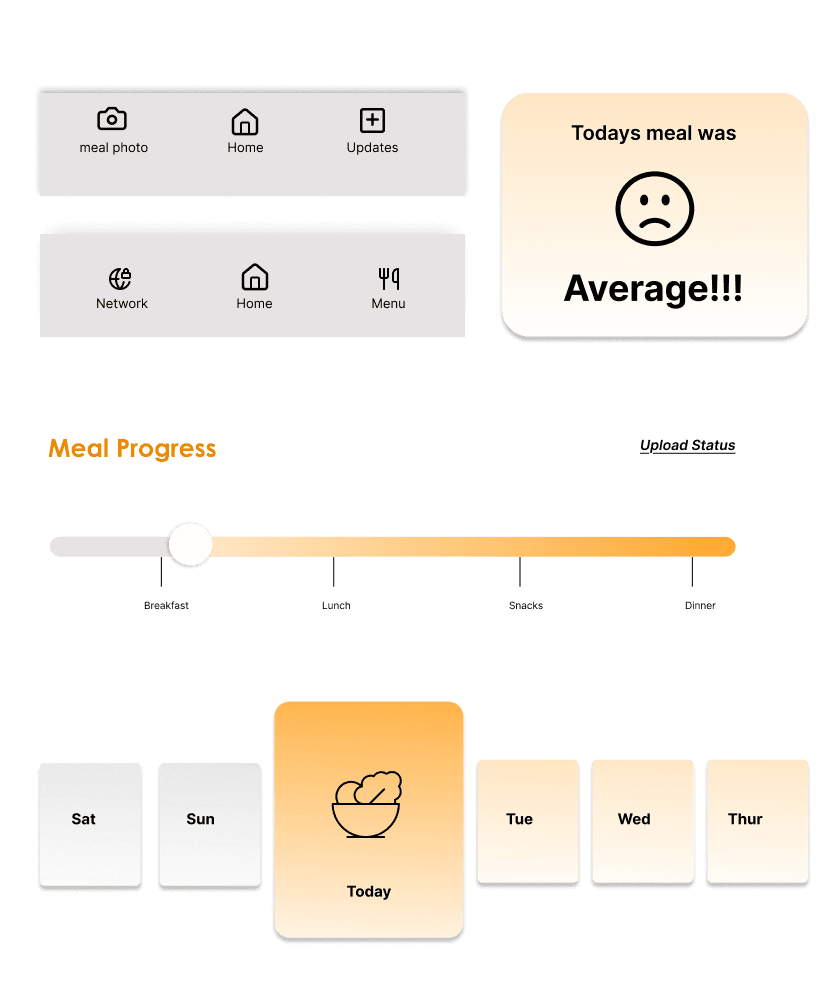
Components
Final Screens


Some Screen for Parents
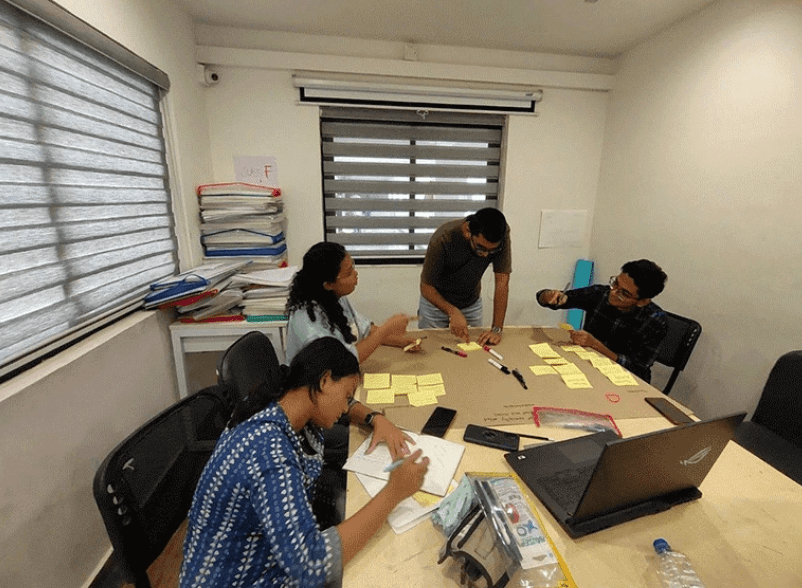
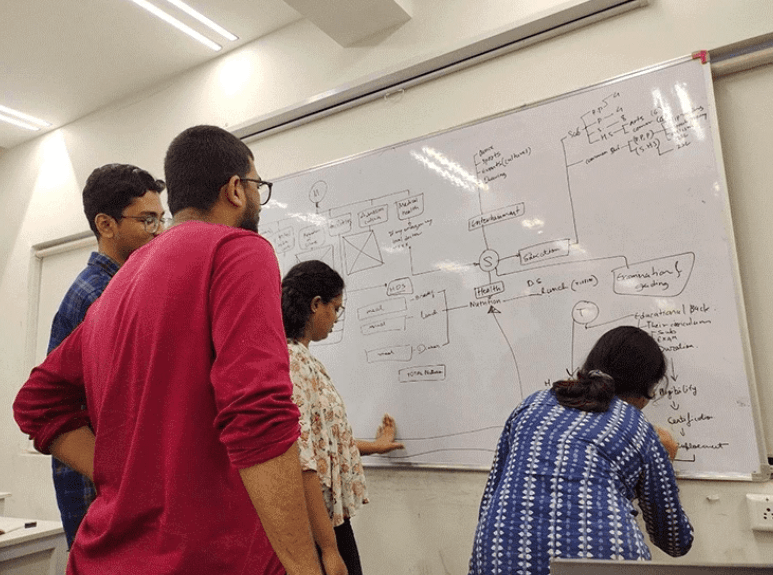
Behind the scene
Next Project
Previous Project
Resume
Linked in
snehamanna
c
Thank you for viewing