
I tried to studied the tattoo forms and noticed how closely they reflect the community’s life. Their designs come from what they see every day, the land they live on or may be the nature around them. They believe tattoos travel with the soul and their skin carries the life around them, the trees they see everytime, the fish they eat, the gods they worships…and everything that catch their sights.
Motifs of Belonging
I tried to studied the tattoo forms and noticed how closely they reflect the community’s life. Their designs come from what they see every day, the land they live on or may be the nature around them. They believe tattoos travel with the soul and their skin carries the life around them, the trees they see everytime, the fish they eat, the gods they worships…and everything that catch their sights.
Motifs of Belonging
Khoda & Shika
Khoda & Shika
2025
Time | 5 Weeks

Project Overview
Project Overview
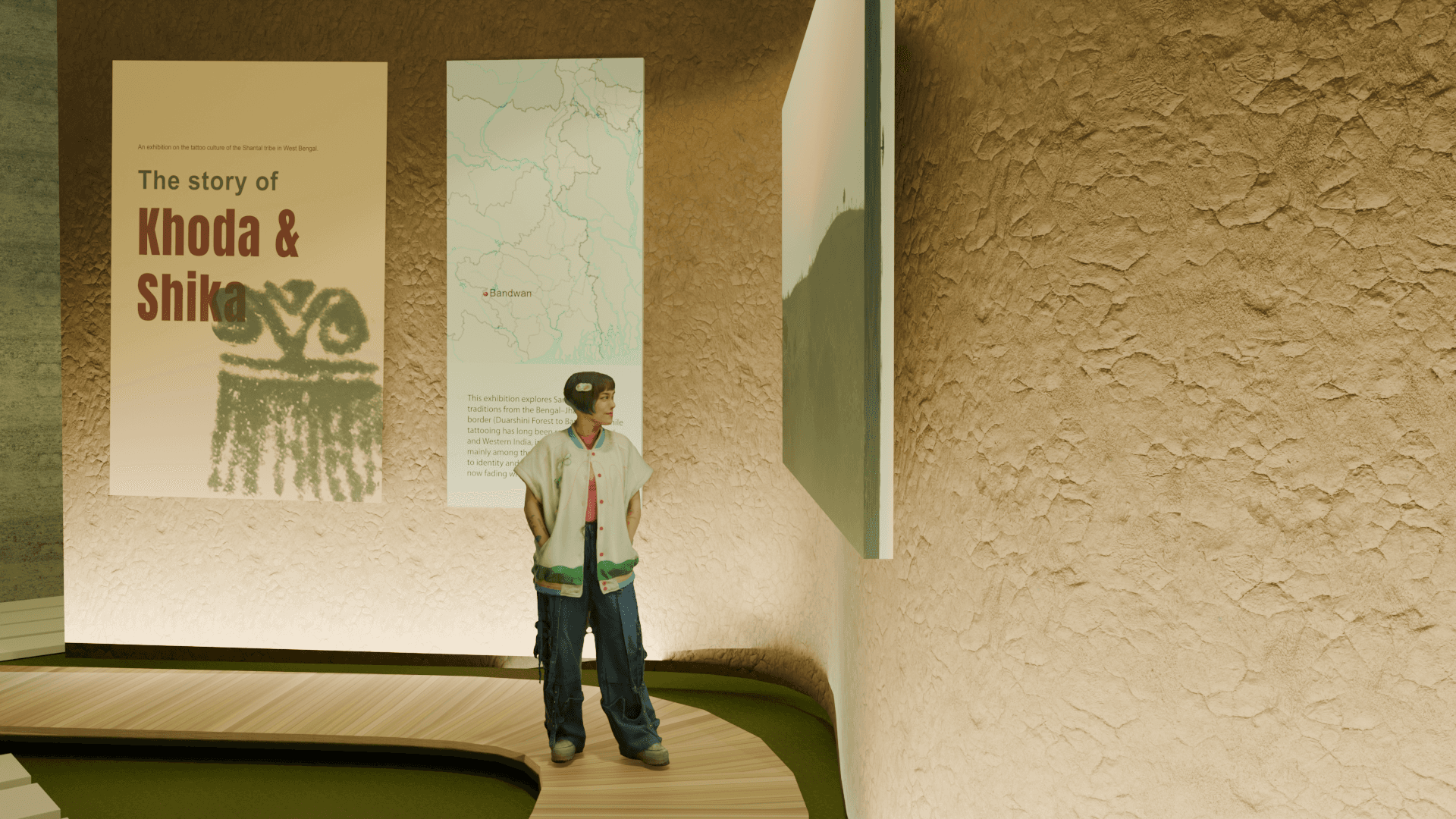
This project explores the fading traditions of Indigenous tattooing in Bengal through interactive exhibition design. It aims to document, preserve, and revive these cultural markings as living expressions of identity and heritage.
This project explores the fading traditions of Indigenous tattooing in Bengal through interactive exhibition design. It aims to document, preserve, and revive these cultural markings as living expressions of identity and heritage.
Secondary Reseach
Secondary Reseach
Topic Selection
Topic Selection
Primary Reseach
Primary Reseach
Gap analysis
Gap analysis
Concept Development
Concept Development
Ideation
Ideation
Problem Statement
Problem Statement
Final output
Final output
Process
Process
Why Bengal?
Why Bengal?
I am from Bengal and always wanted to preserve my culture. Unlike Central and Western India, where tattooing has long been a tradition, Bengal has seen limited practice, except among the Santal tribe. Traditionally, Santals adorned their bodies with tattoos, but modernization is causing this art to fade. Now, only those living along the Bengal-Jharkhand border continue the practice, though it is gradually being forgotten.
I am from Bengal and always wanted to preserve my culture. Unlike Central and Western India, where tattooing has long been a tradition, Bengal has seen limited practice, except among the Santal tribe. Traditionally, Santals adorned their bodies with tattoos, but modernization is causing this art to fade. Now, only those living along the Bengal-Jharkhand border continue the practice, though it is gradually being forgotten.
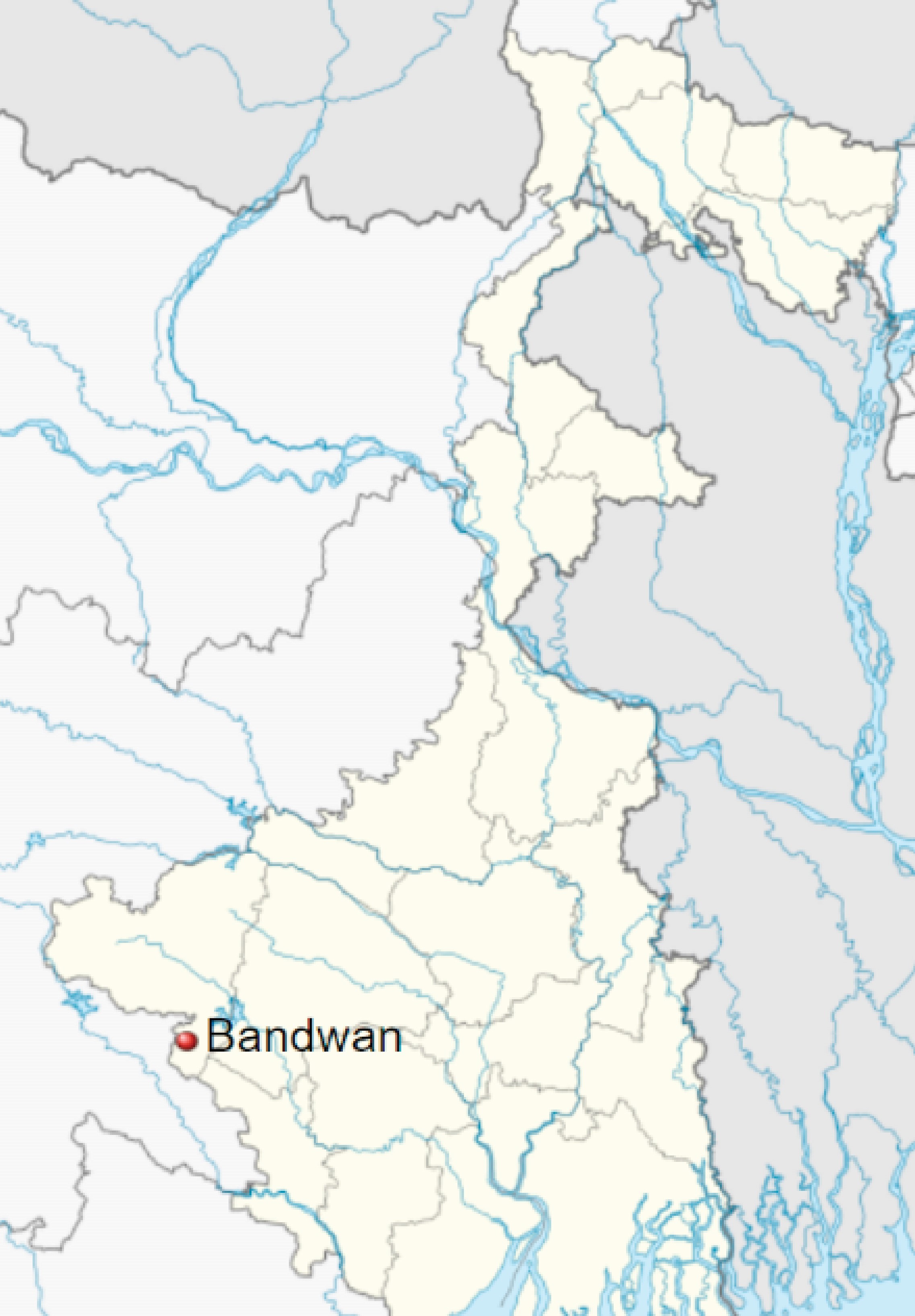
To experience the culture and understand why this tradition is fading, I traveled from Ahmedabad to Banduan, West Bengal.
To experience the culture and understand why this tradition is fading, I traveled from Ahmedabad to Banduan, West Bengal.
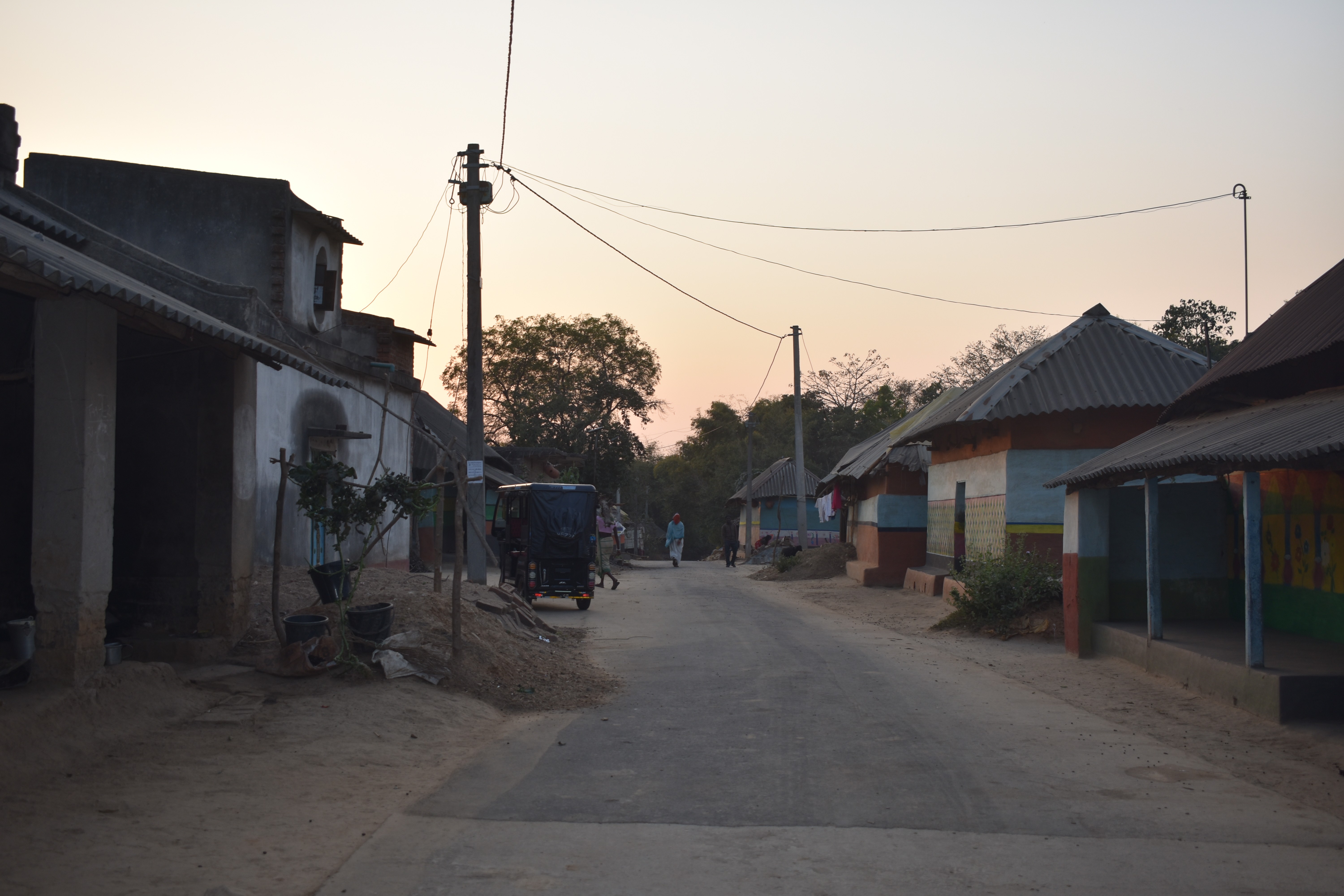
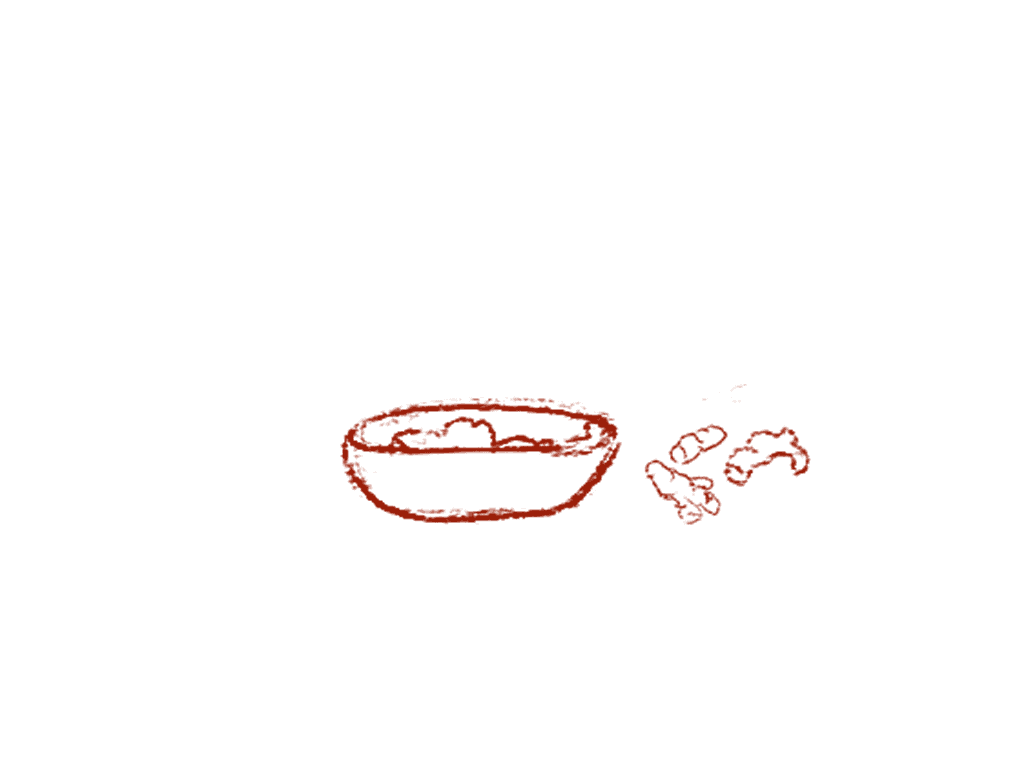
Role of tattoos in Santal culture.
Role of tattoos in Santal culture.
For a Santal woman, a tattoo is like jewelry is an inseparable part of her body. Unlike material possessions, which are left behind after death, a tattoo, known as khodda in Santali, stays with her even in the afterlife. Santal women believe that when a person dies and enters heaven, these tattoos serve as a guiding mark, helping her survive in the next world.
The Santals also use tattoos as an identification mark of their tribe. They believe that when someone sees these tattoos, they can immediately recognize them as Santal.
For a Santal woman, a tattoo is like jewelry is an inseparable part of her body. Unlike material possessions, which are left behind after death, a tattoo, known as khodda in Santali, stays with her even in the afterlife. Santal women believe that when a person dies and enters heaven, these tattoos serve as a guiding mark, helping her survive in the next world.
The Santals also use tattoos as an identification mark of their tribe. They believe that when someone sees these tattoos, they can immediately recognize them as Santal.
About the Craft
About the Craft
Types of tattoo
Types of tattoo
In Santali, the word for tattoo is khodda, which may have originated from the Bengali words khora or khodai, meaning "digging." This connection reflects the tattooing process itself—where ink is embedded into the skin, this practice the Santals refer to as khodda. Khoda is always done by Females on a female skin.
Santal girls usually get their tattoos between eight and twelve,marking their step into womanhood.
In Santali, the word for tattoo is khodda, which may have originated from the Bengali words khora or khodai, meaning "digging." This connection reflects the tattooing process itself—where ink is embedded into the skin, this practice the Santals refer to as khodda. Khoda is always done by Females on a female skin.
Santal girls usually get their tattoos between eight and twelve,marking their step into womanhood.
Khoda
Khoda
Men in the Santal community are not allowed to have tattoos, but they bear a burn mark known as shika in Santali. The term shika may have originated from the word sikka (meaning coin) or the Bengali word shikha (meaning flame), reflecting its shape or the process of burning. This burn mark is considered pure within their community.
All men in the Santal community undergo the shika ritual between the ages of 10 and 15.
Men in the Santal community are not allowed to have tattoos, but they bear a burn mark known as shika in Santali. The term shika may have originated from the word sikka (meaning coin) or the Bengali word shikha (meaning flame), reflecting its shape or the process of burning. This burn mark is considered pure within their community.
All men in the Santal community undergo the shika ritual between the ages of 10 and 15.
Shika
Shika
When is the tattooing ritual performed?
When is the tattooing ritual performed?
The Santal community performs their tattooing ritual on the first day of "Magh" (a month in Hindu calender), which falls between January and February. This day is called "Akkhhan" in the Santali language. On this auspicious day, people receive their tattoos as part of their cultural identity. Those who miss the day can still get tattooed within the next few days, as the celebrations last for ten days. During this period, women receive their Khoda (tattoos) from a female tattooist, while men get their Shika (burn mark) from designated men in the community.
The Santal community performs their tattooing ritual on the first day of "Magh" (a month in Hindu calender), which falls between January and February. This day is called "Akkhhan" in the Santali language. On this auspicious day, people receive their tattoos as part of their cultural identity. Those who miss the day can still get tattooed within the next few days, as the celebrations last for ten days. During this period, women receive their Khoda (tattoos) from a female tattooist, while men get their Shika (burn mark) from designated men in the community.
Process of making khoda
Process of making khoda
1) Soot is collected from a flame in a pot.
2) The black residue is transferred into a coconut shell.
3) Milk is mixed with the soot to create the tattoo ink.
1) Soot is collected from a flame in a pot.
2) The black residue is transferred into a coconut shell.
3) Milk is mixed with the soot to create the tattoo ink.
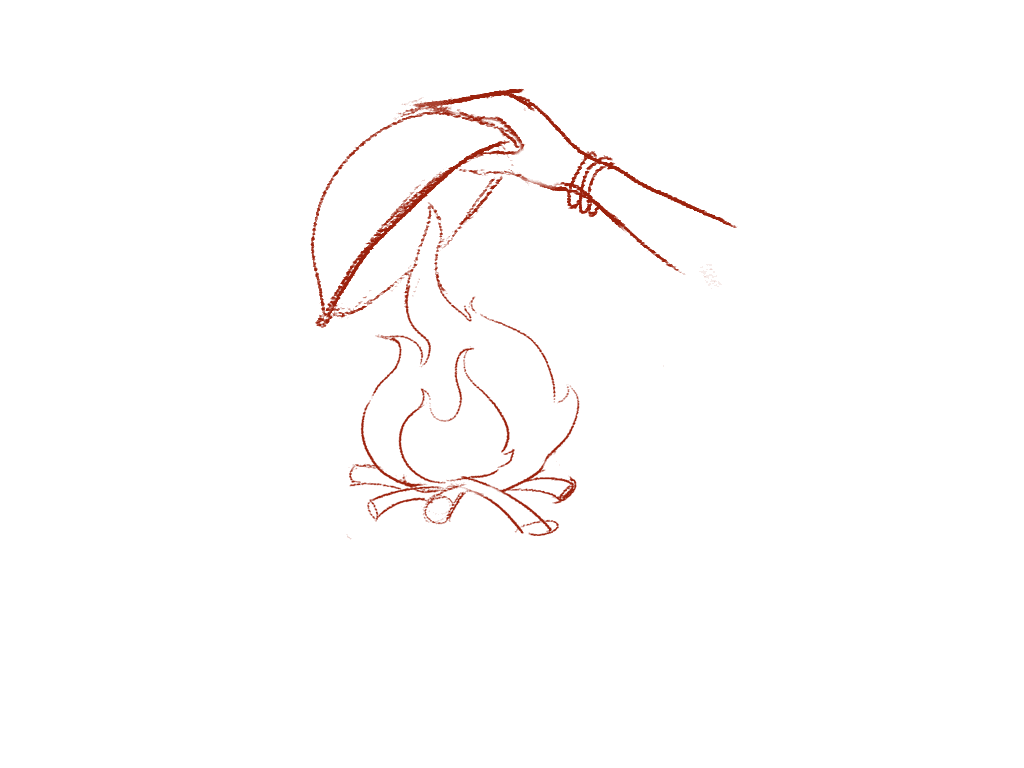
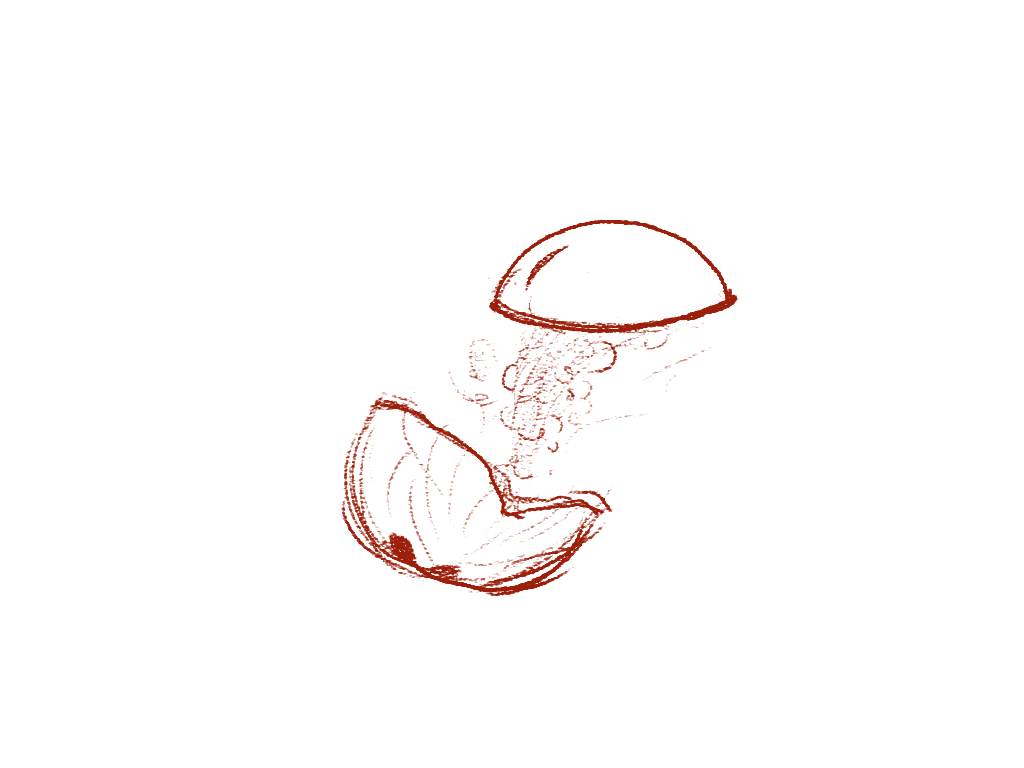
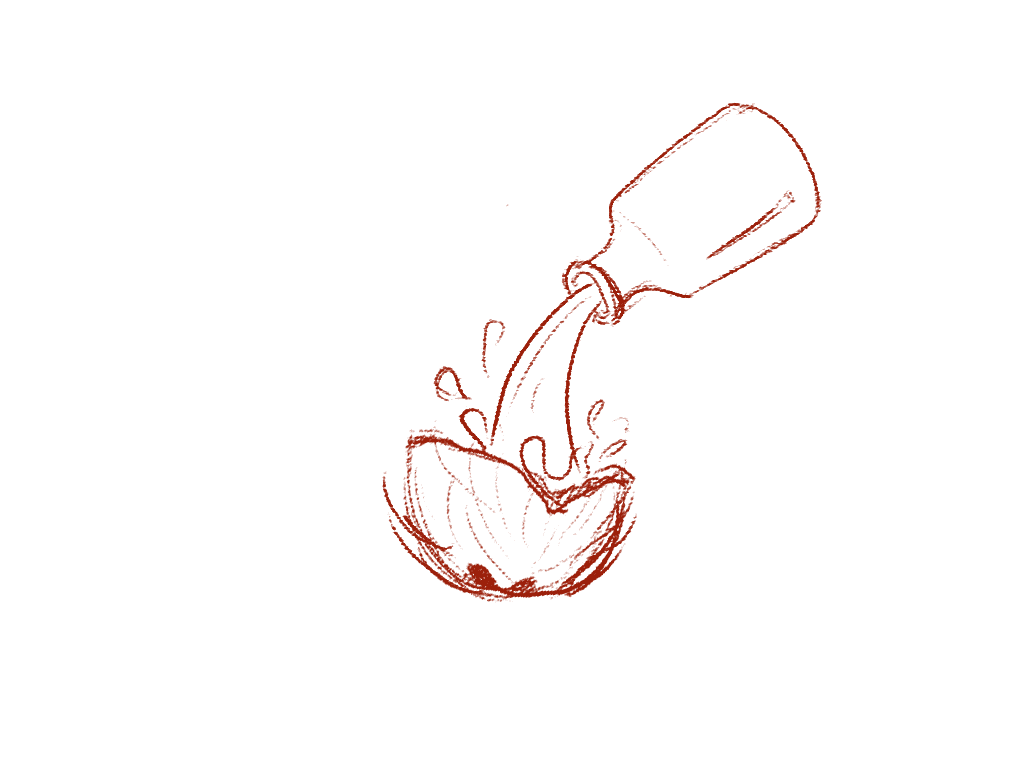
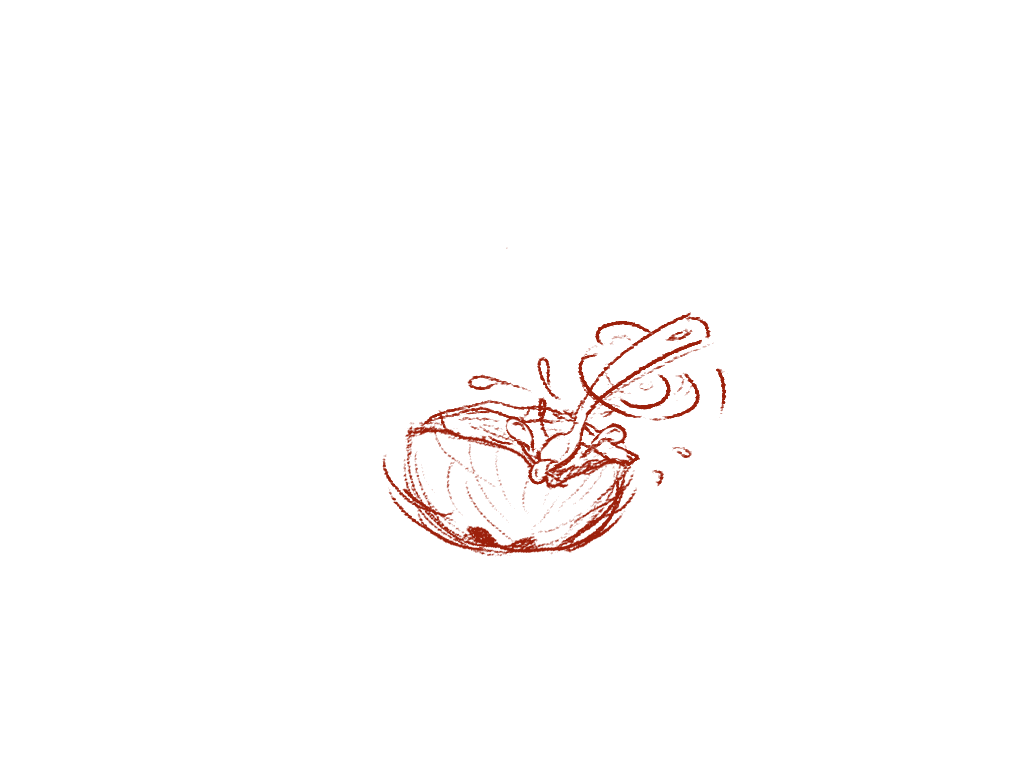
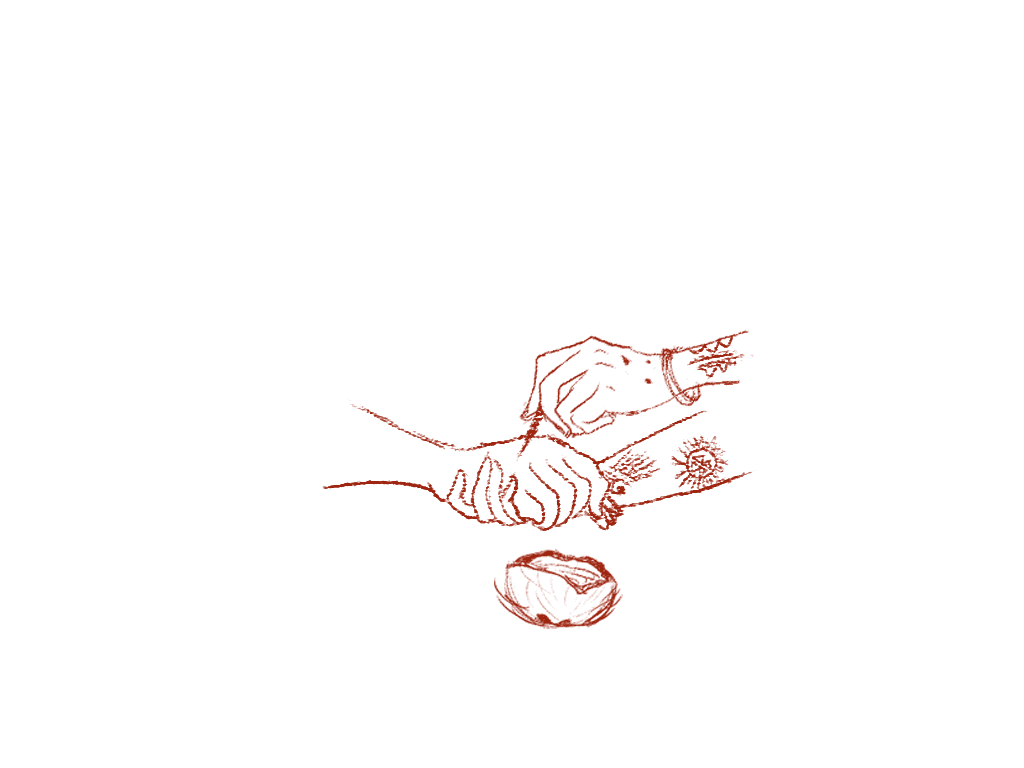
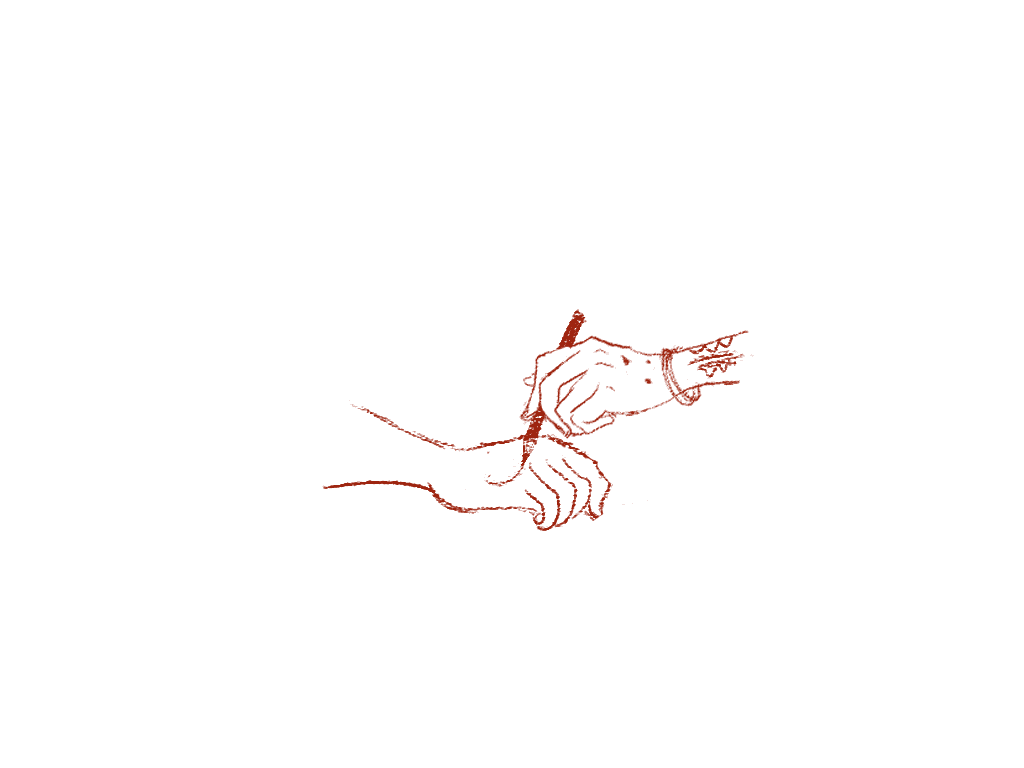
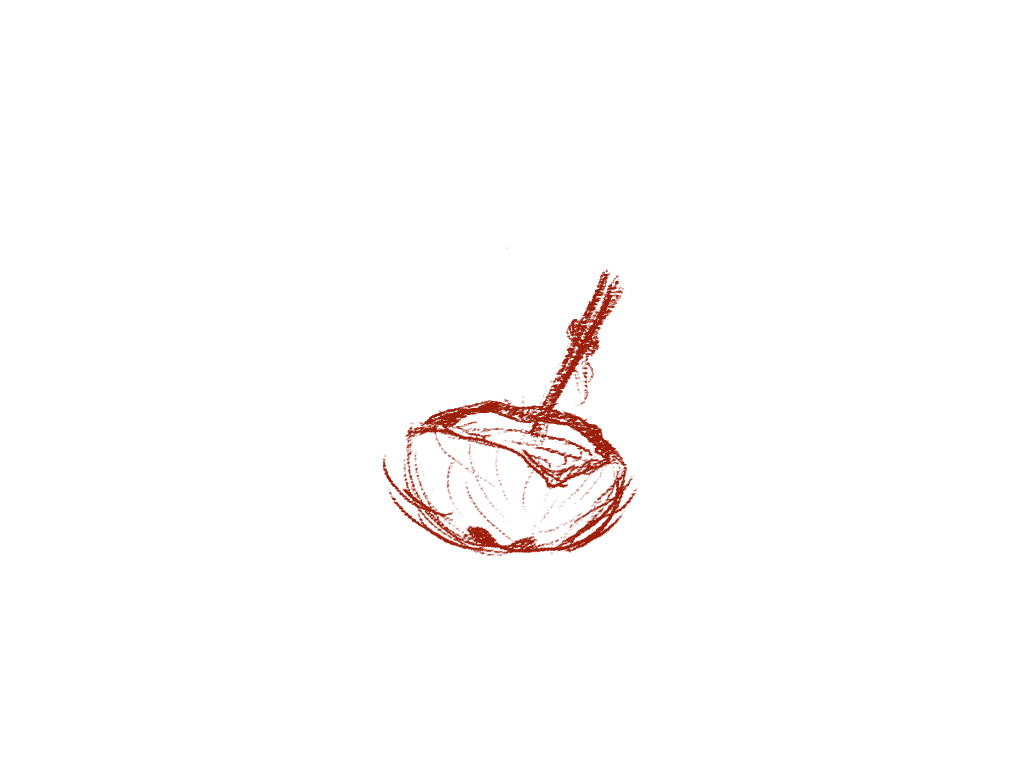
Process of Preparing the Ink
Process of Preparing the Ink
Design the Tattoo
Design the Tattoo
1) The tattoo design is first drawn on the skin using a pen or ink.
2) A traditional tattooing tool, made by tying three needles together, is used to push the ink into the skin.
1) The tattoo design is first drawn on the skin using a pen or ink.
2) A traditional tattooing tool, made by tying three needles together, is used to push the ink into the skin.
Post-Tattoo Ritual
Post-Tattoo Ritual
1) Once the tattooing process is complete, turmeric is applied to the area.
2) Mantras are chanted during this step, as it is believed to aid healing.
1) Once the tattooing process is complete, turmeric is applied to the area.
2) Mantras are chanted during this step, as it is believed to aid healing.
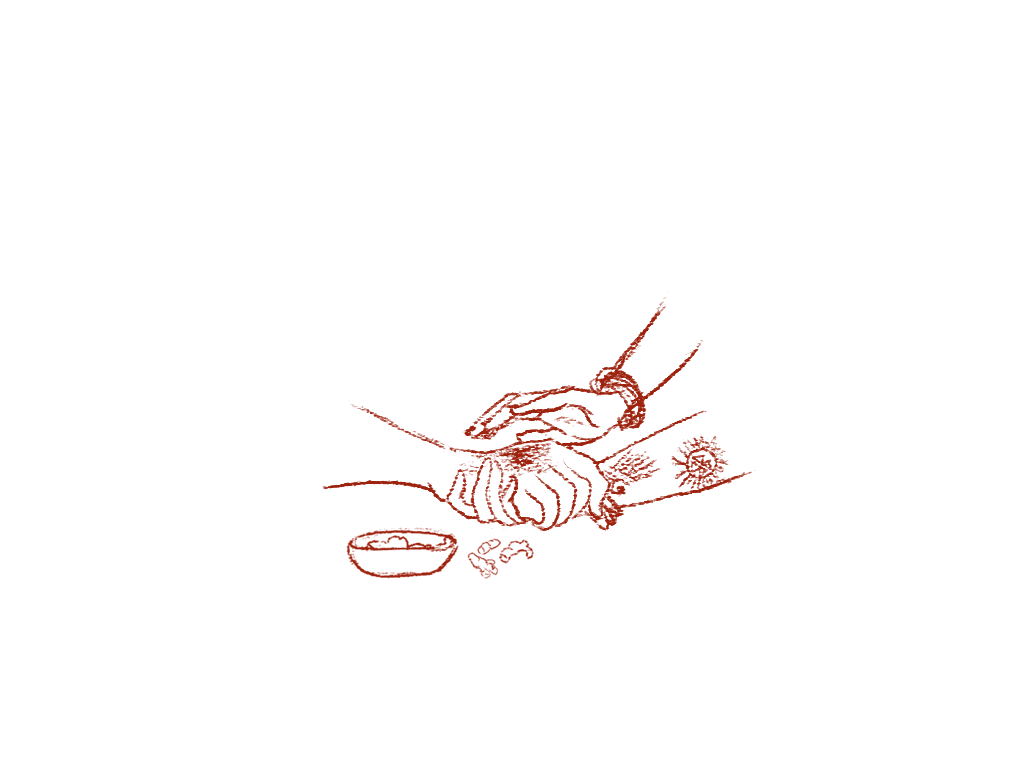
Some Glimpse
Some Glimpse
Why Exhibition Space
to archive this craft?
Why Exhibition Space to archive this craft?
I wanted my visitors to first feel the experience before learning about it. By recreating the environment, they can sense what I felt when I visited the village where this tattoo tradition still lives. Experiencing the region, the nature, the houses, the people, and their way of life helps one understand their tattoo culture more deeply.
I wanted my visitors to first feel the experience before learning about it. By recreating the environment, they can sense what I felt when I visited the village where this tattoo tradition still lives. Experiencing the region, the nature, the houses, the people, and their way of life helps one understand their tattoo culture more deeply.
And also attention spans are shorter today so I designed interactive elements that engage visitors and help them grasp the forms, beliefs, and meanings behind the tattoos. The space is also inclusive for blind visitors, allowing them to touch the walls and explore the forms through texture. For them, tattoos become real only when felt on the skin, and I wanted to bring that experience alive.
And also attention spans are shorter today so I designed interactive elements that engage visitors and help them grasp the forms, beliefs, and meanings behind the tattoos. The space is also inclusive for blind visitors, allowing them to touch the walls and explore the forms through texture. For them, tattoos become real only when felt on the skin, and I wanted to bring that experience alive.

Entry
Entry
Exit
Exit
Navigation
Navigation
A table to keep headphones
A table to keep headphones
A table to keep the tools
A table to keep the tools
A place for books
A place for books
Ehibition Area
Ehibition Area
The main wall
The main wall
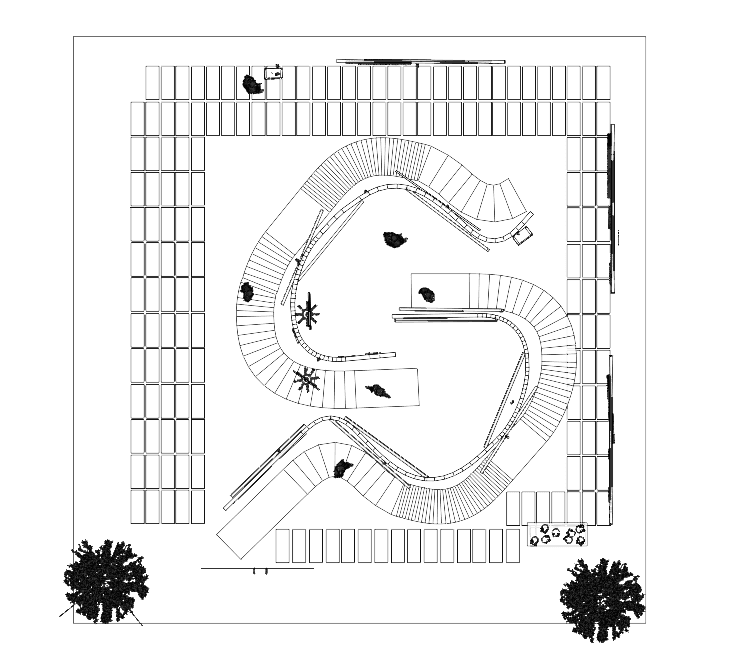
I designed the exhibition area with a curved pathway to make visitors feel as if they are walking through the narrow lanes of a village. This immersive environment helps the audience step into the essence of the place, how the place is connected to their roots before they even encounter the main content.
I designed the exhibition area with a curved pathway to make visitors feel as if they are walking through the narrow lanes of a village. This immersive environment helps the audience step into the essence of the place, how the place is connected to their roots before they even encounter the main content.
For all visiters
For all visiters
Floor plan
Floor plan

Entry
Exit
Navigation
A table to keep headphones
A table to keep the tools
A place for books
Ehibition Area
The main wall
For visually impaired Visitors
For visually impaired Visitors
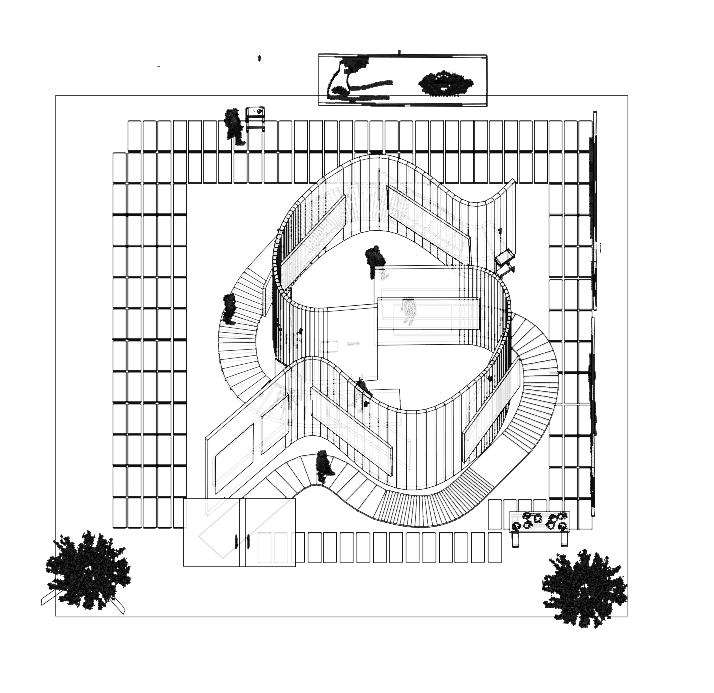
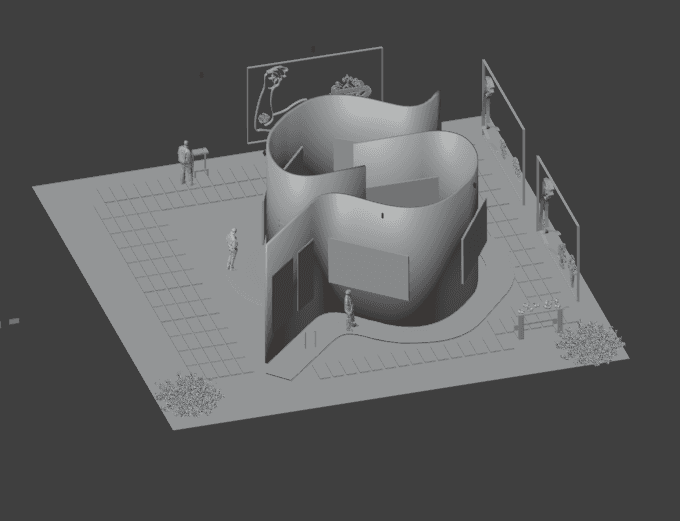
3d Visualization
3d Visualization
Entry Area
Entry Area
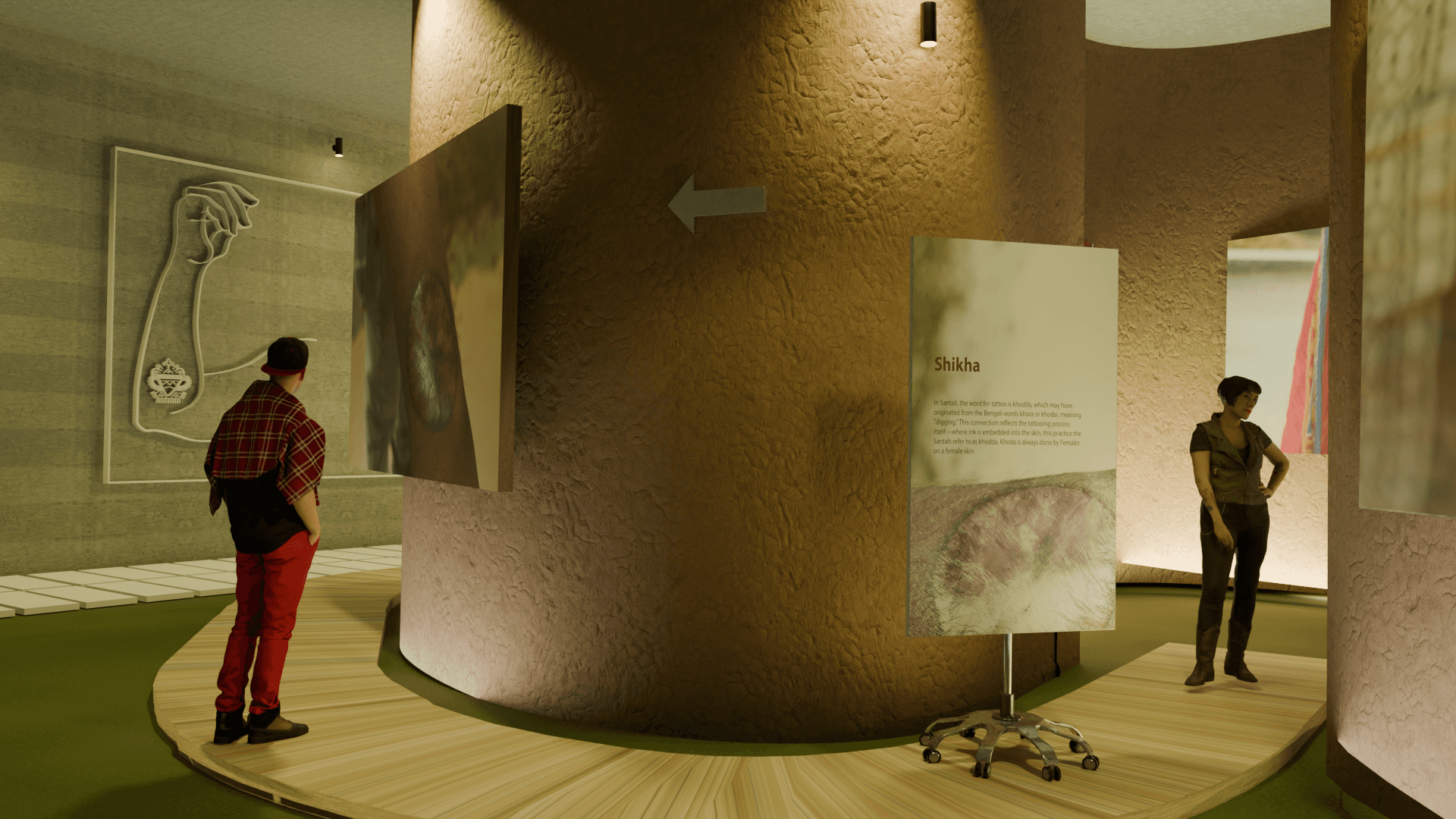
Turning Area form Khoda to Shika
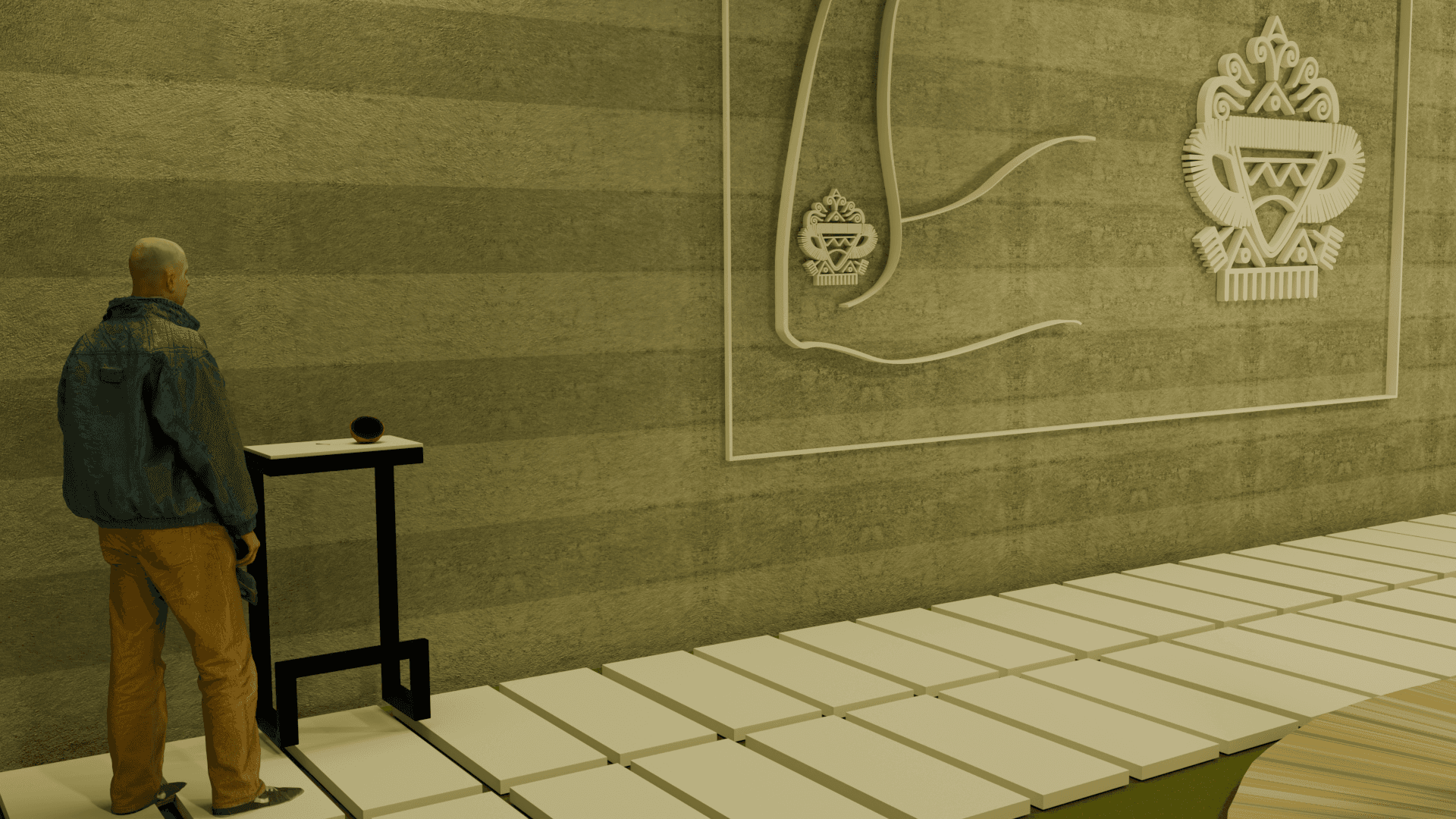
A Place for the tools
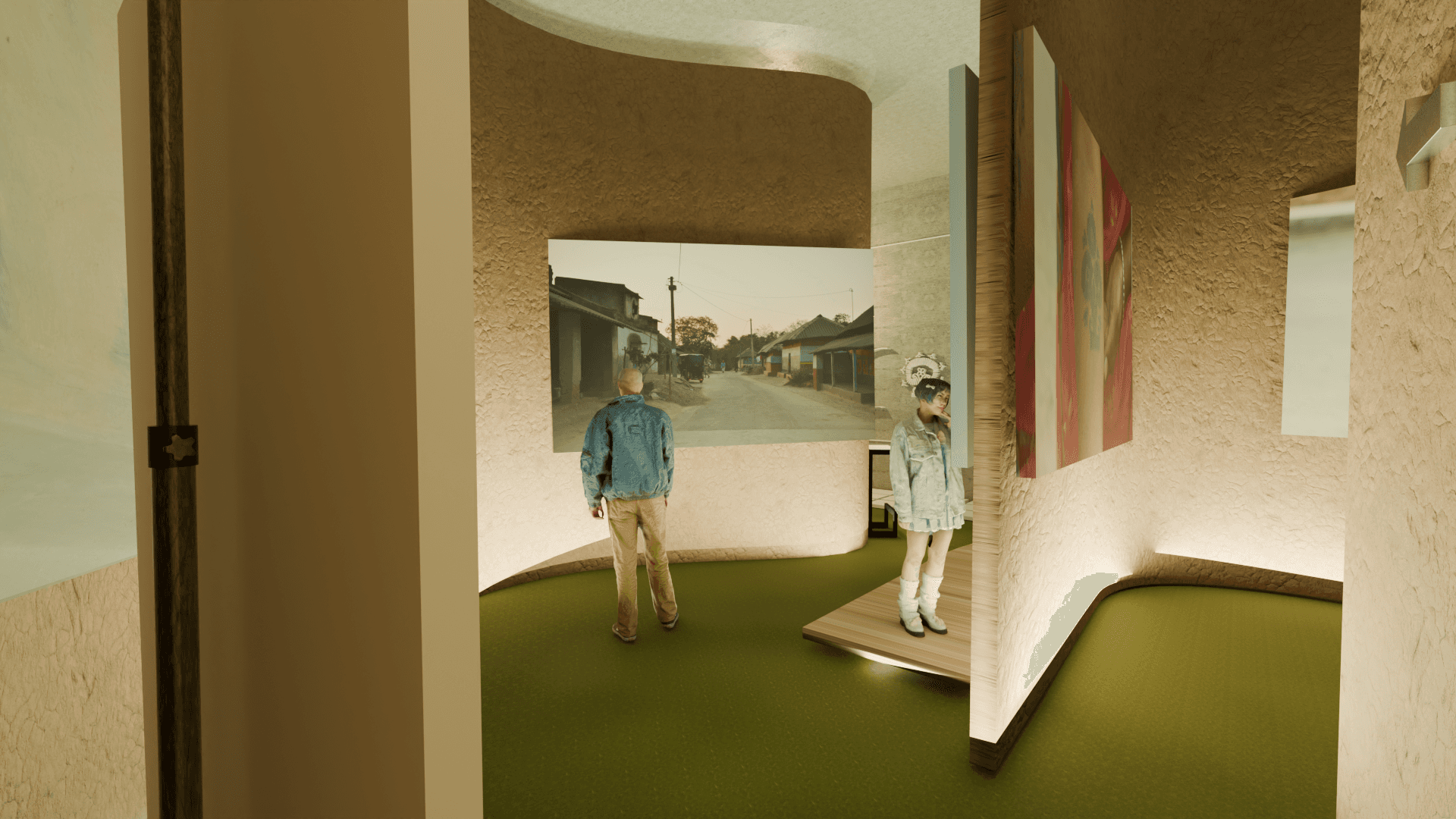
Turning Area form Village photos to Khoda
Final Output
Guided By
Guided By
Prof. Sudhanya Dasgupta
Prof. Sudhanya Dasgupta


Next Project
Next Project
Entry
Exit
Navigation
A table to keep headphones
A table to keep the tools
A place for books
Ehibition Area
The main wall
For visually impaired Visitor
Turning Area form Khoda to Shika
A Place for the tools
Turning Area form Village photos to Khoda
2025
Time | 5 Weeks